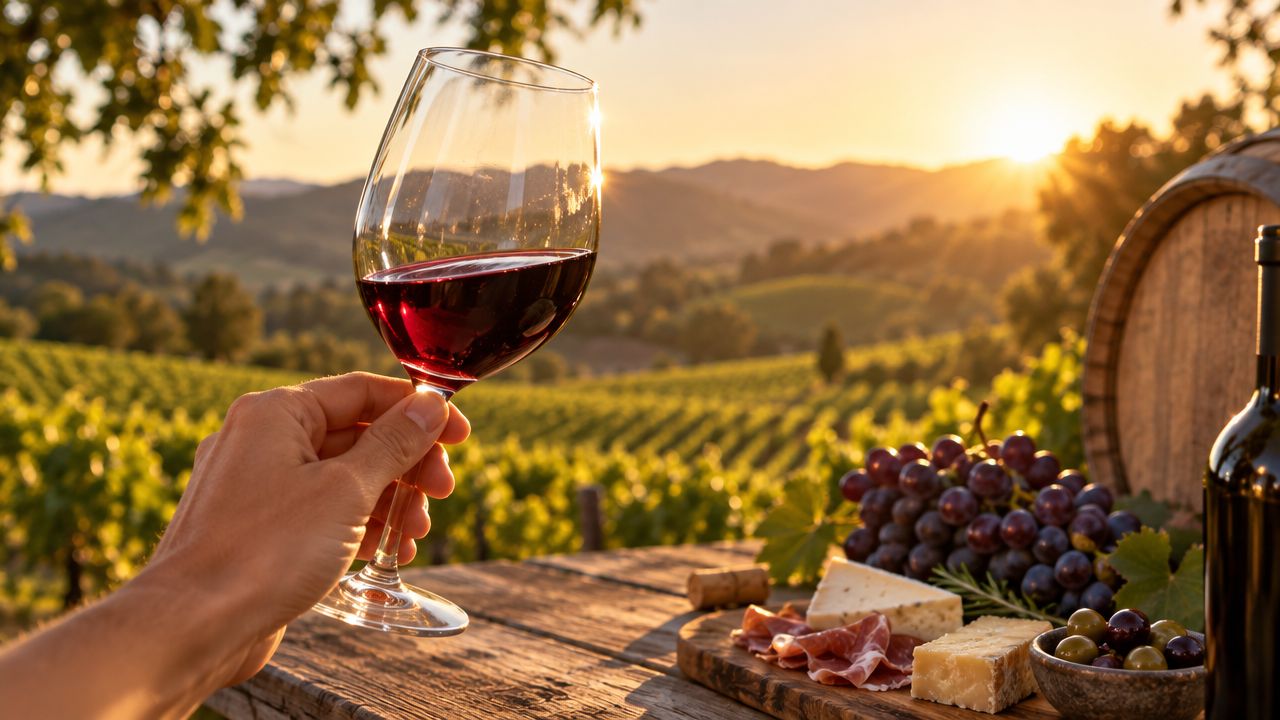
Most advice about a Napa Valley wineries day trip from San Francisco sends visitors straight north toward St. Helena or Calistoga. That's the iconic route, but it isn't automatically the smartest one. A day in wine country should maximize time tasting, eating, and looking at vineyards, not time crawling behind tour buses on Highway 29.
The better question is not, “How far into Napa can the itinerary reach?” It's, “Which wine country experience delivers the most pleasure with the least friction?” For many travelers, the answer is Carneros and southern Sonoma, where the drive is shorter, the scenery opens toward San Pablo Bay, and a hilltop estate can provide the polished wine-country atmosphere people wanted from Napa in the first place.
Why Your Napa Day Trip Might Be Better Closer Than You Think
A single day trip can lose more time in traffic than in the tasting room. That lost time concentrates on the valley floor, where visitors drive north, search for parking, and watch the clock before the first reservation.
Downtown Napa is about 50 miles north of San Francisco, generally a 1- to 2-hour drive depending on traffic, and the valley runs about 35 miles end to end, according to Visit Napa Valley's tourism impact report. The trip is practical, but a northern itinerary is not automatically efficient. St. Helena and Calistoga add road time after the Bay Area crossing. Carneros starts much closer to the southern gateway.

Proximity changes the quality of the day
Carneros is a bi-county AVA in southern Sonoma and Napa. It covers about 90 square miles, or roughly 58,000 acres, and sits just north of San Pablo Bay, with vineyards ranging from sea level to around 400 feet, as described in the Los Carneros AVA overview. Cool maritime conditions define the area, rather than its distance from either county's interior.
For a compressed itinerary, that location matters. A nearby estate can deliver sparkling wine, Pinot Noir, Chardonnay, bay-facing views, and a proper meal without a long northbound drive. Southern Sonoma hilltop properties add a stronger sense of arrival. Viansa, for example, pairs a hilltop setting with broad views, giving the day the visual payoff many visitors expect from Napa.
Napa remains the right choice for a landmark estate, a specific producer, or a long lunch in the central valley. Name recognition alone does not justify spending the day in traffic.
Practical rule: For a single day, choose two or three excellent experiences in one geographic pocket instead of chasing famous names across the valley.
Day trips already make up much of Napa's visitor pattern. In 2018, 3.85 million people visited Napa Valley, and 64.5% were day-trip visitors, roughly 2.4 million people, according to the report from Visit Napa Valley's tourism reporting. The behavior is established. The mistake is assuming that every day trip must reach the valley's northern edge.
Getting to Wine Country From San Francisco
Most San Francisco drivers encounter the first serious delay at the Bay Bridge approach before the morning commute clears. Leave before 8:00 AM to get ahead of that backup, or wait until after 10:00 AM and accept a later start. For a lower-stress wine day, aim south toward Carneros and southern Sonoma instead of driving deep into Napa.
The most direct southern approach uses US-101, then Highway 37, before connecting with the roads toward Carneros and Napa. It is the practical choice when the first reservation sits near the southern gateway. The tradeoff is traffic around bridge approaches, the Highway 37 and Highway 29 interchange, the Mare Island causeway, and the Carneros junction on busy weekends.
A second option runs through Sonoma on US-101 and Highway 121. Choose it when the drive should contribute to the experience, not get the group to a tasting room. The route offers rolling hills and a more scenic arrival into Carneros or southern Sonoma. It can take longer, but it keeps the day focused on the southern wine country rather than adding a northbound push.
Set the departure window first
Your first reservation should determine the route. A southern appointment rewards an early departure, while a later start works better for a compact itinerary with two well-spaced tastings. Do not book a distant estate first and assume the rest of the day will fit around it.
Use this route plan:
- Choose the first tasting before leaving San Francisco. The reservation sets the day's timing and prevents a rushed arrival.
- Use Highway 37 for efficiency. It is the straightforward approach toward Carneros and southern Napa.
- Use Highway 121 for scenery. The Sonoma-side route suits travelers who want vineyards and hills along the way.
- Avoid unnecessary backtracking. Pair stops in Carneros and southern Sonoma rather than combining a northern Napa estate with a southern stop.
- Allow time for parking. Large properties may use designated lots, timed arrivals, and walks from the car to the tasting room.
Transportation changes the shape of the day. A private driver or scheduled wine-country shuttle handles the designated-driver problem and makes several appointments easier. App-based rides can suit a compact plan, but return availability becomes less predictable away from major towns. A rail-based wine experience offers a fixed schedule, so it works only when the group is comfortable giving up flexibility.

Make the southern gateway the base
Build the day around Carneros and Sonoma's town square. Start with a hilltop view, continue to a seated tasting, stop for lunch, and finish at one carefully selected estate before returning on Highway 121. This loop delivers the scenery and wine-country atmosphere without forcing the group into the valley's busiest northern stretch.
For a polished first stop near the southern approach, check reservations and current visitor details on Viansa's visit page. Its hilltop setting combines wine, views, and a scheduled appointment in one stop. That consolidation is the point. Spend the driving time where it improves the day, not where a famous name happens to sit.
A Realistic One-Day Wine Country Itinerary
A Napa day trip does not require driving deep into the valley. For a smoother day, start in Carneros, use southern Sonoma for the middle stretch, and reserve one memorable estate for the afternoon. This route gives you vineyard scenery, seated tastings, and a proper meal without turning the itinerary into a race against traffic.
Leave downtown San Francisco at 7:30 AM. That departure puts you near Carneros around 9:15 AM, before the roads become harder to predict and while the first reservation is still comfortably ahead. If sleep matters more than a packed schedule, leave later and commit to two excellent tastings instead of forcing in three.
Make the opening stop a Carneros estate with a clear sense of place. Sparkling wine, a vineyard view, or a seated tasting all work, but choose the experience that suits the group's energy. A recognizable property can provide an easy introduction, while a smaller-production winery often creates a quieter start. Prestige matters less than a reservation that begins the day at the right pace.
The second tasting should change the rhythm. Around 10:30 AM, choose a compact visit in the Sonoma-Carneros area, with time to ask questions and focus on the wines rather than collect tasting rooms. Keep the morning unhurried. Tasting fees and appointment formats vary by property, so check each winery directly before building the schedule.
Lunch needs its own place in the itinerary. A picnic near Sonoma Square gives the group flexibility and a walkable setting. A sit-down meal at a Carneros resort makes more sense for couples or corporate groups seeking a composed afternoon. Bring substantial food and water either way. Cheese alone will not carry a full day of tasting. (Choose the picnic when outdoor time matters more than restaurant service.)
Reserve the afternoon for one flagship tasting. Pick the estate with the strongest setting, the most interesting cellar experience, or the bottle the group is most eager to try. A 2:00 PM appointment leaves room for conversation and a short walk afterward, rather than stacking another rushed reservation on top.
Use the remaining time for a cheese pairing, an estate garden, or a slow look across the vineyards. If an event would suit the group better than a standard tasting, review Viansa's events calendar before selecting the date. Leave the extra activity out when anyone feels tired or the drive home will be long. Finishing with energy intact beats squeezing in one more pour.
Start back around 4:30 PM to reduce exposure to the evening traffic wave. Highway 121 provides a scenic exit, and a brief overlook stop works only when daylight and road conditions cooperate. Reaching San Francisco around 6:00 PM leaves room for dinner in the city, instead of making the final drive the least enjoyable part of the day.
Napa vs Carneros and Sonoma for Day Trippers
For a one-day trip from San Francisco, driving deep into Napa is often the least efficient choice. Carneros and Southern Sonoma deliver fog-cooled vineyards, broad views, and serious tasting rooms with less time spent on the road. Choose Napa Valley when a specific northern estate or classic valley scenery justifies the longer approach.
Napa Valley offers the densest concentration of internationally recognized estates and the most familiar valley-floor views. The northern corridor also brings more congestion and tighter timing. Carneros suits travelers who want sparkling wine, maritime scenery, and a shorter southern approach. Southern Sonoma feels more intimate, particularly when the day centers on one hilltop estate and a meal near Sonoma Square.
Carneros is roughly 60 to 90 minutes from San Francisco, depending on the route and traffic, according to Domaine Carneros' trip-planning guidance. That makes it a practical choice for a full wine-country day without an exhausting drive. The deeper Napa route remains worthwhile for travelers committed to northern destinations, but it demands an early departure and disciplined reservations.
| Criteria | Napa Valley (St. Helena/Calistoga) | Carneros | Southern Sonoma |
|---|---|---|---|
| Drive character | Longer approach, with more exposure to Highway 29 congestion | Southern gateway, generally easier to combine with San Francisco | Scenic and relaxed, especially around Sonoma and Highway 121 |
| Best for | Landmark estates, classic Napa identity, structured visits | Sparkling wine, cool-climate wines, bay views, efficient routing | Hilltop scenery, intimate estates, food and wine in one loop |
| Crowd pressure | Higher around popular northern corridors and weekend reservations | More manageable when appointments are secured early | Often calmer when the itinerary avoids peak arrival windows |
| Scenic payoff | Vineyard-lined valley grandeur and mountain backdrops | Rolling hills, fog influence, and San Pablo Bay openness | Estate charm, broad viewpoints, and a strong sense of place |
| Day-trip fit | Better for travelers committed to specific northern destinations | Excellent for a compact, low-stress itinerary | Excellent for couples, groups, and visitors seeking a slower pace |
Cabernet-focused travelers should also look south of Napa. Dry Creek Valley Cabernet for wine lovers offers useful context for fitting Sonoma-area Cabernet into a wine-country plan without turning the day into a county-hopping exercise.
Carneros has its own physical and climatic identity. The AVA was established in 1983, straddles the Napa-Sonoma border, and receives morning fog and bay breezes from San Pablo Bay. The eastern Sonoma side also receives cooling through the Templeton Gap, as outlined in this Carneros regional guide. Its shallow clay soils and reported annual rainfall of 18 to 30 inches help explain the region's lower-vigor vineyards and cooler profile, according to regional wine analysis from Fred Swan. Maritime conditions shape Carneros more than county boundaries do.
For large groups, booking format matters as much as location. Viansa's large-group experiences suit travelers who need an organized setting instead of several loosely coordinated tasting-room arrivals. That makes Southern Sonoma and Carneros especially practical when the group values reliable pacing, views, and fewer roadside transfers.
The Hilltop Alternative That Rivals Any Napa Estate
Driving deep into Napa is not the only way to get a convincing wine-country day. Viansa Sonoma makes a smarter first stop for travelers who want a destination setting without spending the morning on valley roads. The estate sits atop a 400-foot hill in Sonoma Carneros, with sweeping views toward San Pablo Bay, Mount Tamalpais, and the Mayacamas range. The scenery starts working for the itinerary as soon as you arrive.
From San Francisco, the route via Highway 37 and Highway 121 takes roughly 45 minutes. A pre-10:00 AM arrival is realistic, although Bay Area traffic can slow the final approach. One tasting, a panoramic view, and an estate atmosphere fit into the same visit, leaving room for lunch and another nearby experience without the pressure of reaching northern Napa.

The view earns its place in the itinerary
The hilltop terrace flights suit travelers who want the surroundings to remain part of the tasting, rather than treating the view as a quick photo stop between appointments. Cave tours add structure for visitors interested in production and place. Outdoor seating gives groups a reason to stay put when the conversation matters as much as the next pour.
That combination answers the usual concern about choosing Sonoma over Napa. A day trip does not need a famous name at every turn. It needs well-made wine, a memorable setting, straightforward logistics, and enough time to enjoy the people at the table.
The Tuscan-inspired architecture strengthens the sense of arrival. The property also includes a 97-acre wetland preserve integrated into its stewardship, giving the visit another point of interest beyond the tasting room. For a short itinerary, that variety helps the stop feel complete rather than abbreviated.
Viansa also accommodates weddings and private celebrations. Couples considering the property can review Viansa's wedding information. For a regular day trip, the practical conclusion is clear: a hilltop estate near the southern gateway can replace a long northern commute while still delivering wine, views, and a genuine destination feel.
That anchoring principle is exactly why a single hilltop estate can replace a morning of valley-floor driving.
Tasting Tips and Mistakes to Avoid on a Day Trip
The most common mistake is overbooking. Three tasting stops maximum keeps the day social and attentive. Four or more often creates palate fatigue, rushed meals, and a difficult decision about who can safely drive.
Reservations matter, especially for weekends. Premium Napa and Carneros tasting rooms commonly operate around scheduled experiences, so groups should book two to three weeks ahead when possible. A reservation also gives the driver a fixed route and prevents the group from wasting time searching for a walk-in opening.
Protect the palate and the schedule
A solid meal should land between the second and third tasting. Cheese and crackers can support a visit, but they shouldn't replace lunch when the day includes multiple pours. Water belongs in the car, at the table, and between appointments.
- Limit the route: Keep the three stops in the same southern pocket rather than crossing the valley.
- Leave recovery time: A tasting should have room for conversation, parking, and a reset before the next appointment.
- Plan the return early: A late-afternoon Calistoga reservation can place the group into heavier traffic through the Carquinez Bridge corridor.
- Choose a sober driver: A private driver or scheduled tour is the sensible choice when nobody wants to spit or limit pours.
Etiquette is straightforward. Strong perfume can interfere with the aromas in the glass, so it should be avoided. Guests should ask before pouring their own wine, particularly during seated service. At a seated tasting, a $5 to $10 tip per person is a reasonable etiquette guideline when service has been attentive.
Spitting isn't rude. It's how professionals taste several wines and still remain alert for the drive home. Anyone who feels pressure to finish every pour is turning a relaxed wine-country visit into an unnecessary safety problem.
For travelers who want bottles delivered on a recurring schedule after the trip, Viansa's wine club provides a membership option connected to the estate's wines.
Viansa offers a hilltop tasting experience, estate wines, panoramic Carneros views, and options for private gatherings, making it a practical anchor for a Napa Valley wineries day trip from San Francisco. Reserve a visit at Viansa, then build the rest of the day around southern Sonoma and Carneros instead of spending the best hours driving north.