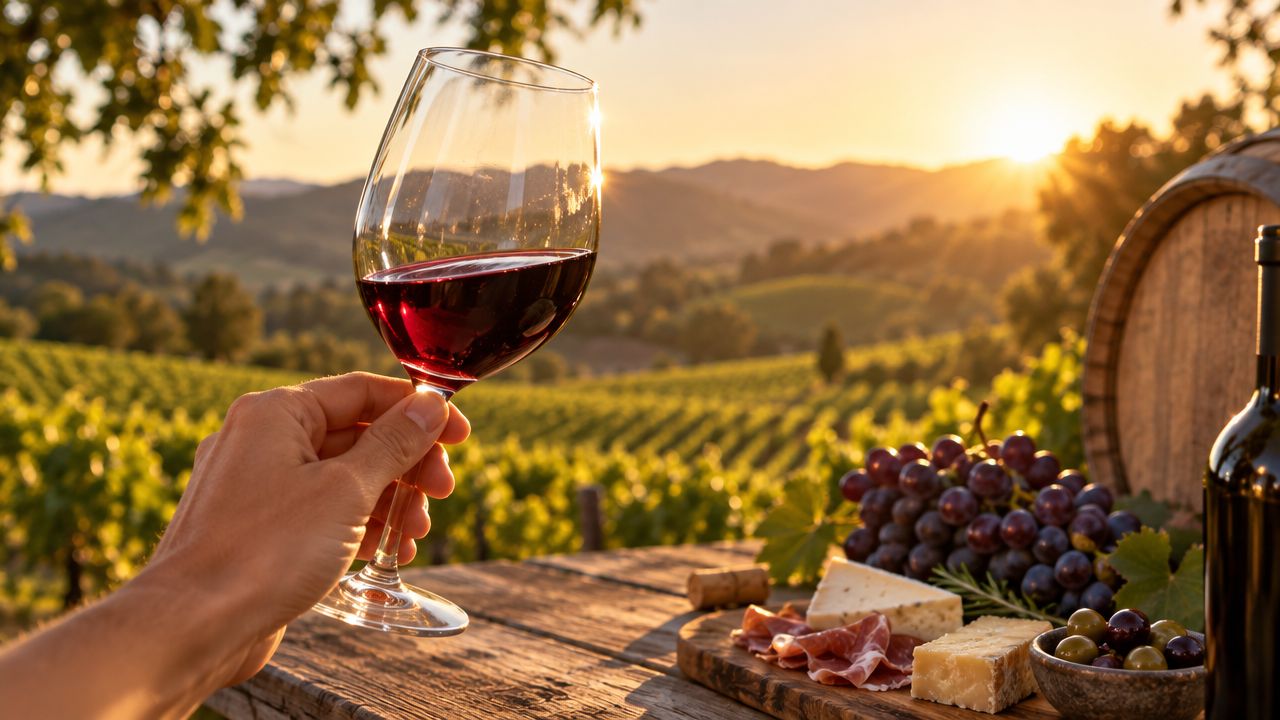
Weekend wine country advice gets repeated so often that it starts to sound like law. For Sonoma, that's the wrong rule. Weekday wine tasting in Sonoma isn't a consolation prize, it's the cleaner, calmer, more useful way to taste, especially if the goal is actual conversation, better pacing, and a day that doesn't feel like a parking contest.
The big mistake travelers make is treating Sonoma like a checklist of famous rooms. That works badly on crowded Saturdays and much better from Tuesday through Thursday, when hosts have more time, parking is less of a chore, and a single well-chosen stop can anchor the whole day. A hilltop estate makes even more sense midweek because it gives visitors the views, the tasting, and the breathing room in one place. For a broader look at how weekday visits compare across different stops, our guide to the best wine tasting experiences in Sonoma walks through what sets each option apart.
Why Weekday Tastings Are Sonoma's Best-Kept Secret

Sonoma rewards visitors who slow down. The county has more than 62,000 acres of grapes and about 1,800 grape growers source, which says plenty about the scale of the region and nothing about how crowded a tasting room feels on a busy day. Weekdays solve that problem. The room gets quieter, hosts have more time, and the wine gets discussed instead of rushed past.
The weekday advantage is the room itself
The strongest tastings happen when the staff can settle in and pour with attention. Midweek, the setting usually feels calmer, more conversational, and less staged. That matters because wine is not just liquid in a glass, it is context, and a packed room strips that context out fast.
Practical rule: if the visit is about understanding the wines, not grabbing a quick photo and moving on, weekday is the better choice.
Weekend advice always circles back to getting there early. That helps only so much. You still end up dealing with tighter seating, more noise, and less flexibility if one stop runs long. Weekday visits cut that friction before it starts, which is why local planners tend to favor them for anyone who wants to enjoy the day instead of wrestling with it.
The timing works in weekday visitors' favor too. Many tasting rooms operate roughly 10 a.m. to 5 p.m., and some town locations stay open until 7 or 8 p.m. on weekends source. That kind of schedule is already narrow, so a quieter midweek slot gives the visit more breathing room.
Weekday tastings solve the experience problem, not just the crowd problem
A lot of advice reduces weekday tasting to a search for lower prices. That misses what matters. Sonoma tasting access is uneven, some places want reservations, some still welcome walk-ins, and smaller rooms fill differently from property to property. The gain is steadier access and a better atmosphere, not a universal bargain. source
That is why midweek visitors plan ahead. They want a room where the staff can explain what is in the glass, answer questions without hurrying, and remember who they are pouring for. They also want a day that does not turn into a stack of small annoyances before lunch.
A hilltop estate fits that approach especially well. A place like Viansa Sonoma gives weekday visitors a strong first stop, with the view, the tasting, and the pacing working together instead of competing for attention. When the first stop runs smoothly, the rest of the day does too.
Weekday Versus Weekend Tasting Room Realities

Sonoma tasting rooms now run on appointments more than luck, and that changes how the day feels from the first stop onward. Many rooms still open around 10:00 or 11:00 a.m. and wrap tastings in the late afternoon, while walk-in access has become limited enough that a casual arrival can turn into a wait or a miss altogether source. Weekend traffic makes that tighter. Weekdays give you a cleaner path.
Weekday vs weekend Sonoma tasting comparison
| Factor | Weekday Experience | Weekend Experience |
|---|---|---|
| Crowd level | Quieter, more space to talk | Busier rooms, more noise |
| Reservations | Easier to secure and manage | More likely to fill up fast |
| Parking | Less competition and less circling | Parking often becomes a hassle |
| Service pace | More conversational, less rushed | Faster turnover, less depth |
| Overall feel | Better for focused tasting | Better for people who don't mind congestion |
The pricing question deserves the same straight answer. A weekday visit can cost the same as a weekend visit, and sometimes it does not. Some places put more weight on certain midweek or shoulder-day offers, but there is no county-wide rule that says Tuesday automatically means a deal. The main advantage is usually availability, atmosphere, and pacing, which matter more than shaving a few dollars off the tasting fee.
That advantage shows up fast at a place like Viansa Sonoma's visit page, where the setup is built for a reservation-led stop and a calm first pour. On a quieter day, the host has room to explain the wines, answer questions, and keep the experience moving at a steady pace. On a crowded weekend, the same tasting room has to work harder just to keep everyone moving through.
A weekday room should feel organized, not hectic. If you want focused tasting, easier parking, and staff who have time to talk, midweek wins without needing to announce itself.
How to Plan a Tuesday Through Thursday Sonoma Wine Day

The most efficient Sonoma day is not the one with the most stops. It's the one that leaves enough time to taste, talk, and still enjoy the drive. Wine Road's guidance to keep a Sonoma day to 2 to 5 wineries per day is the right ceiling for a relaxed pace source. For a Tuesday-through-Thursday trip, the sweet spot is usually two or three quality visits, not a marathon.
Start with one region and build around it
Sonoma is too large to treat as a single block of easy driving. Local planning advice consistently says to stick to one region per day and book ahead in peak periods, because the county is spread out and the drive between tasting rooms takes longer than visitors expect source. That's especially true midweek if the goal is a smooth day instead of a zigzag.
A good weekday plan starts with an anchor stop, then adds one or two nearby rooms that fit the mood of the day. If the first tasting is scenic and structured, the rest of the itinerary can stay looser. If the first stop is rushed or chaotic, the whole day gets harder.
Use the day's pace to your advantage
Most Sonoma tasting rooms are open in a fairly narrow window, and the winery guide noting 10:00 or 11:00 a.m. openings and 4:00 to 6:00 p.m. closing times is a reminder to arrive early enough to avoid feeling squeezed source. A weekday day trip works best when the first reservation is early enough to leave margin for lunch, traffic, and the occasional longer conversation at a room that's pouring well.
The practical rule is simple.
Book fewer stops than you think you need, then enjoy the extra time. Sonoma rewards depth more than speed.
The best part of a Tuesday-through-Thursday plan is flexibility. If a stop runs long, there's usually less crowd pressure to unravel the rest of the day. That's why weekday visits solve the Sonoma itinerary problem so well, they make it possible to choose high-quality stops without overcommitting the schedule.
For event-minded visitors, it also helps to look at winery calendars before the drive. A simple check of Viansa's event listings can shape the day around a tasting, a seasonal program, or a more structured visit without adding another region to the route.
The Hilltop Estate Experience at Viansa Sonoma

A quiet weekday turns a hilltop estate into the right first stop. Viansa sits above Sonoma Valley with 270° views, Tuscan-inspired architecture, and a property that includes a 97-acre wetland preserve. That mix gives the visit a sense of place before the first pour, and it sets the tone for the rest of a midweek Sonoma day source.
Why the hilltop setting works so well midweek
A destination property solves a real planning problem. Instead of chasing scenery, wine, and timing across several stops, the visitor gets a full experience in one place. That is exactly why a hilltop estate fits weekday wine tasting Sonoma so well. The view slows people down, the architecture gives the visit a clearer identity, and the preserve adds an outdoors element without forcing an extra detour.
The wines fit the setting, too. Viansa's Sonoma Valley lineup includes old-vine Zinfandel and Cabernet Sauvignon. Those bottles make more sense in a room where the noise stays down and the host has time to explain what is in the glass source.
What the tasting options feel like
Viansa's guided tasting is designed for a measured visit, not a rushed one. Reservations are required for up to 8 guests, and a 20% gratuity is added for groups of 8 or more source. That structure is the point. It keeps the room controlled and makes the experience feel deliberate instead of crowded.
For a weekday visitor, that is a strength. The format works well for couples, small groups, South Sonoma travelers, and corporate offsites that want a destination feel without weekend congestion. The reservation cap keeps the room manageable, and the pacing suits guests who want to linger without feeling pushed along.
A hilltop estate is strongest when it becomes the first stop, not just another stop.
The setting also solves the rest of the day. One well-chosen estate can carry the scenic weight, so the remaining stops can be smaller, more casual, or skipped entirely if the mood is already right. On a weekday, that kind of simplicity feels like a luxury.
Transportation and Parking Logistics for Midweek Visits

Weekday Sonoma works because the day is easier to shape, not because the whole county suddenly gets simple. The advantage is control. You spend less time fighting crowds, less time circling lots, and more time tasting instead of recovering from the drive. That matters in a region with a lot of ground to cover, because random wandering burns daylight fast.
Build the day around one clean route
The best midweek transportation plan is plain: one driver, one region, one reservation chain. If you are using ride services, keep the route tight and commit to a small cluster of stops. The minute you start bouncing between distant pockets, the day turns into a transfer schedule instead of a wine day.
Parking is where weekdays earn their keep. You usually get a better shot at landing close to the entrance, and that changes the tone of the visit before the first glass is poured. It also removes the irritation that builds when a group arrives already tired from a long drive and then has to hunt for a spot. That quiet first impression is one reason a hilltop estate works so well as an anchor, especially if you want the rest of the day to feel relaxed rather than improvised.
Use timing to protect the pace
Do not treat arrival time as an afterthought. Midweek tasting rooms still run on a clock, and the cleanest day starts when you leave enough room for parking, check-in, and a real pause before the first pour. If you arrive rushed, you carry that pace into the tasting room, and the whole day feels compressed.
A smarter approach is to confirm the basics before you leave home.
- Check the route: Road choices and traffic patterns still matter, even on quieter days.
- Confirm reservations: Have the booking details ready so check-in stays quick.
- Plan for purchases: Leave room in the car if you expect to buy bottles.
- Protect the pace: Keep drive segments short enough that the day still feels like a tasting day.
If you need to confirm visit details or sort out timing before you head out, use Viansa's contact page directly. It is the cleanest way to avoid a bad assumption before you are already on the road.
Tasting Room Etiquette for Quieter Weekday Settings
Weekday tasting rooms reward visitors who act like they have time. The host usually does too. That means the right move is to slow down, ask better questions, and pay attention to what the room is trying to tell you through the wine list, the service style, and the pace of the pour.
Ask like a guest, not a collector
The most useful questions are specific. Ask what the estate grows, what the host would pour again, or how the wine in front of you differs from the last one. In a quieter room, staff can usually go deeper on vineyard source, vintage character, and the logic behind a flight, and that's where weekday tasting becomes materially better than a packed weekend visit.
The wrong habit is rushing the pour and treating the flight like a test to pass. If a wine doesn't land, say so plainly and move on. A weekday room has room for honesty, and most good hosts respect that more than overpolite pretending.
Respect the host's time by being present, not by pretending to love every glass.
Keep the social pace low and the attention high
Smaller and appointment-only rooms deserve more courtesy, not less. Visitors should keep phones away while listening, avoid talking over the host, and let the tasting breathe between pours. That's basic etiquette anywhere, but it matters more when the room is quieter and the service is more personal.
A few habits work especially well midweek:
- Taste in order: Don't jump around unless the host invites it.
- Use the spit bucket if needed: Staying sharp matters more than finishing every pour.
- Be direct about preferences: Staff can guide better when they know what works.
- Tip appropriately: Good weekday service still takes labor and attention.
There's also a real advantage to this slower rhythm. Without weekend rush energy, visitors can learn more, compare notes more carefully, and leave with a clearer sense of what they liked. That's the point of tasting, after all.
Extending the Experience Through Wine Clubs and Gifting
A good weekday tasting shouldn't end at the parking lot. If the visit clarified what styles fit the palate, the next sensible step is to keep the connection going through a wine club or direct bottle purchases. Viansa's wine club gives visitors a recurring path to new releases and member benefits, which makes more sense after a calm tasting than after a rushed weekend stop.
That's the whole argument for midweek tastings. The slower format makes it easier to decide whether a winery deserves a long-term place in the cellar, not just a souvenir bottle in the bag. It also gives guests time to talk through future releases, gifting options, and what kind of wines make sense for home delivery or special occasions.
Wine club membership is useful for people who don't want to reorder manually every time they run out of something they liked. It also works well for gifting, because the tasting turns into a specific recommendation instead of a generic bottle hunt. In other words, the weekday visit becomes the screening process, and the club or shop becomes the follow-through.
If Sonoma is on the calendar, make it a weekday and make it simple. Start with a hilltop estate, let the first tasting set the tone, and build the day around conversation instead of congestion. Visit Viansa for tasting details, wine club options, and the kind of Sonoma stop that makes a Tuesday or Thursday feel like the right way to do wine country.
A wine club membership also makes a memorable gift for anyone who loves Sonoma wine.