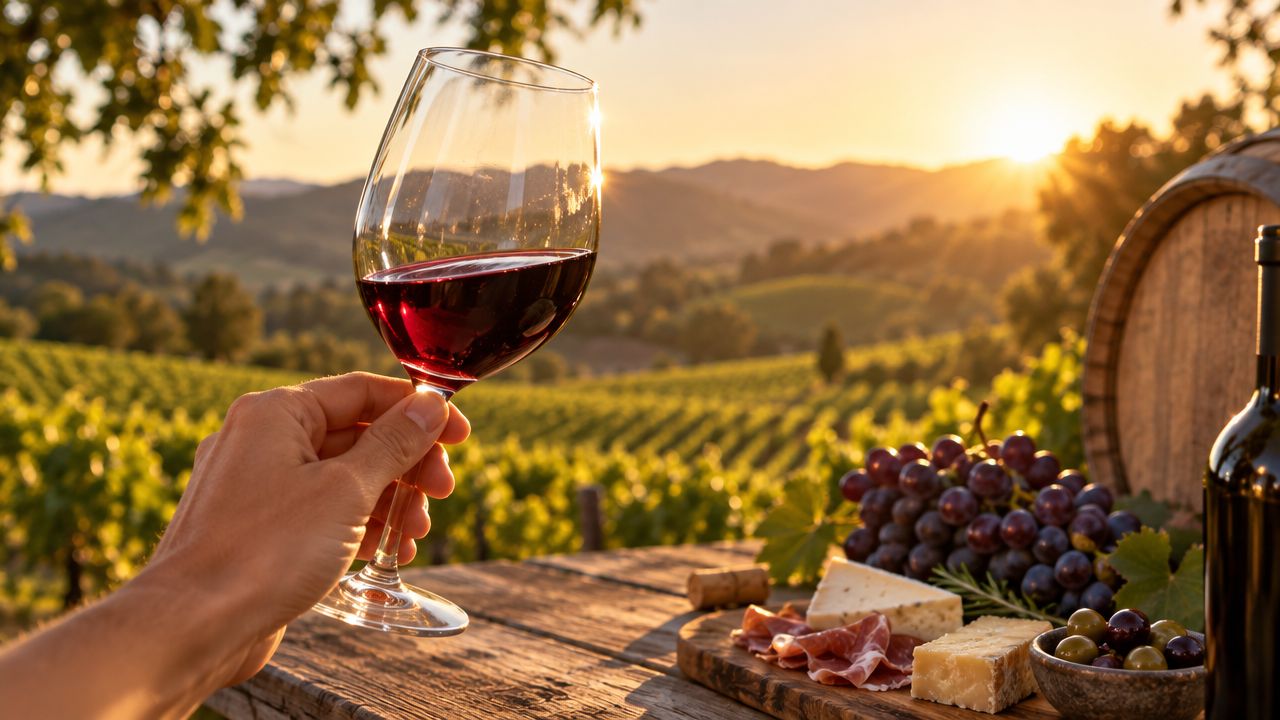
The usual Sonoma Valley trip goes sideways fast. A couple lands with a list of famous wineries, a lunch reservation, and a loose idea of “just wing it,” then spends the afternoon bouncing between crowded tasting rooms, closed gates, and roads that take longer than expected. The smarter move is to choose one or two places that deserve the drive, then build the day around them.
Sonoma Valley winery visit choices at a glance
| Winery Type | Vibe | Best For | Booking Needs |
|---|---|---|---|
| Historic landmark estate | Classic, polished, often busy | Visitors who want legacy and broad appeal | Reserve ahead, especially on weekends |
| Boutique family estate | Quiet, personal, harder to find | Travelers who care about conversation and place | Usually appointment-based |
| Modern hospitality hub | Scenic, flexible, more service-forward | Groups, mixed wine tastes, one-stop outings | Book early for the best times |
The right Sonoma day isn't about squeezing in the most pours. It's about picking a setting that matches the mood, the route, and the amount of attention a guest wants from the host.
The Reality of Modern Wine Country Planning
The weakest itinerary is the one built around wishful thinking. A guest pulls up a list of famous names, assumes there will be room for a spontaneous stop, then discovers that the places with the cleanest websites and biggest reputations are also the easiest to overbook. That's why the best Sonoma days start with a different question, not “What's popular?” but “What kind of experience deserves the time?”

Choose the estate, not just the tasting room
A memorable visit usually consolidates the day into one strong stop, maybe two. That means a place with scenery, a tasting that feels intentional, and a setting where guests can linger without rushing to the next parking lot. A hillside property with views and food options often beats a random sequence of pours at different counters, because the day feels like an experience instead of a checklist.
Practical rule: if a winery only works as a quick pour, it usually isn't worth building the whole afternoon around it.
That approach matters even more in a region where many wineries are family-owned and less visible than the famous names visitors recognize. A good plan accounts for the fact that some of the most rewarding stops are not the easiest ones to spot from the main road. For travelers who want help filtering the region, a curated list of Sonoma wineries can be useful as a starting point, but the true filter should be this, does the property offer enough scenery, structure, and hospitality to justify the drive?
Quality of time beats quantity of tastings
The wrong instinct is to race from place to place. Sonoma rewards a slower rhythm, especially when the first stop sets the tone and gives the group space to settle in. A broad patio, a seated tasting, or a place with food service can turn a scattered day into a coherent one.
The best call is blunt. Prioritize a winery that gives something beyond the pour, then keep the rest of the schedule simple. Five rushed stops feel thin. One well-chosen estate can carry the whole day.
Understanding the Sonoma Valley Landscape
Sonoma Valley isn't a single wine style, and treating it like one is a rookie mistake. It is widely recognized as the birthplace of California wine, with the first vineyards planted in 1824 and early commercial development accelerated in 1857 when Buena Vista was founded, according to Sonoma Valley's general facts sheet. That history still shapes how the region presents itself today, with 80+ tasting rooms, 100+ internationally renowned wineries, and 14,000+ acres of vines spread across five AVAs, plus about 5 million cases of wine produced each year and 85% of wineries family owned. Sonoma Valley general facts

The five AVAs shape what ends up in the glass
The valley's five AVAs give visitors real choice, not just marketing language. Cooler, fog-influenced areas lean toward brighter, more restrained wines, while warmer pockets tend to show riper fruit and more structure. That is why a guest looking for old-vine Zinfandel should not make the same stop list as someone chasing cool-climate Chardonnay.
The region's geography also explains why Sonoma Valley works so well for mixed groups. One traveler can focus on structured reds, another can stay with sparkling or Chardonnay, and both can still share the same lunch table. That flexibility is part of the appeal, especially for visitors who do not want every glass to taste like the last one.
For a deeper sense of how the region presents itself as a destination, the Sonoma Valley winery story gives a good sense of how estate identity, place, and visitor experience come together on a single property.
Family ownership changes the visitor experience
The fact that 85% of wineries are family owned matters because it changes the tone. Family-run estates often care more about the conversation, the history of the site, and the pace of the tasting than about moving people through quickly. That is a huge advantage for guests who want something more personal, but it also means appointments matter more and the hidden-gem places are easier to miss.
A visitor who wants the most authentic Sonoma experience should think like a local, not a tourist. Follow the varietal first, then the road, then the reservation.
The best way to narrow the search is to decide what belongs in the glass before deciding whose name is on the sign. Sonoma Valley has enough range to reward that discipline.
Comparing Tasting Room Styles and Access
The biggest mistake visitors make is assuming all tasting rooms work the same way. They don't. A historic landmark estate, a boutique family property, and a modern hospitality hub can all pour good wine, but they deliver very different days.
| Winery Experience Comparison | Vibe | Best For | Booking Needs |
|---|---|---|---|
| Historic landmark | Formal, legacy-driven, often scenic | First-time visitors who want the classic Sonoma story | Book ahead, especially for peak times |
| Boutique family estate | Quiet, intimate, education-heavy | Travelers who value conversation and discovery | Appointments are common |
| Modern hospitality hub | Polished, flexible, amenity-rich | Groups and guests who want a relaxed, all-in-one stop | Reserve early for preferred seating |
Historic landmark estates
These are the places visitors picture when they think of wine country, restored architecture, manicured grounds, and a sense that the property itself tells part of the story. They work well for people who want an established name and a polished environment. The tradeoff is obvious, they can feel busy, and the atmosphere can drift toward throughput if the day is packed.
Boutique family estates
Sonoma gets interesting with smaller family wineries, often feeling less scripted, with more conversation and a clearer connection between the people pouring and the land outside. They're the right fit for travelers who care about details, vineyard practices, or the story behind a bottle.
Best use case: book the small family property when the goal is to learn, not just taste.
Modern hospitality hubs
These properties solve a different problem, they make the day easy. Seating is usually more comfortable, food and wine can be paired on site, and the environment is built for guests who want an easy outing. That convenience has value, especially for mixed-interest groups or travelers who want one destination that covers multiple needs.
The right choice comes down to energy. If the day is meant to feel refined and quiet, choose the boutique estate. If the group wants scenery, service, and a broader experience, pick the hospitality hub. If the goal is a classic Sonoma postcard, the landmark estate wins.
Strategic Itineraries for Every Schedule
Route logic matters more than enthusiasm. Sonoma Valley works best when stops are clustered by direction and mood, not picked at random from a map. A guest entering from the south should start with something easy and scenic, then move inland. A weekend explorer with more time can go deeper and let the day unfold at a slower pace.

The Gateway Loop works for short trips
The strongest first-stop strategy is a property that gives travelers room to land. Views help. So does a tasting room that feels spacious enough to reset after the drive. After that, the rest of the day can tighten into lunch, then one more tasting, then a clean exit before the group gets fatigued.
For travelers who want a built route without overthinking the details, tailor-made vacation planning is a smart model to copy even when building the day independently. The principle is simple, let geography do the work so the schedule stays calm.
The Deep Valley weekend rewards patience
Longer trips should stop trying to mimic a city lunch crawl. The deeper route works because it allows for a more deliberate pace, one stop that opens the day, one focused tasting later, and time to enjoy the views between them. This is also the better choice for travelers who care about comparing different wine styles without rushing.
A practical framework helps.
- Start with the mood. Scenic and relaxed first, technical and detailed later.
- Keep driving short between stops. Sonoma gets tiring fast when the group keeps jumping around.
- Leave room for lunch. Wine tastes better when nobody is hungry and impatient.
- End before the day turns sloppy. The best finish is a clean one, not a desperate extra pour.
The first winery should lower stress, not raise expectations so high that every later stop feels smaller.
For larger groups, a property designed for coordinated visits can save the day. The Viansa large-group experience is the kind of option that works when convenience and scenery need to coexist without turning the schedule into a logistics project.
The Hilltop Estate Experience at Viansa
A hilltop winery solves a real Sonoma problem, it gives guests both the view and the bottle in one stop. Viansa sits on a hilltop in Sonoma Valley with 270-degree views and a 97-acre wetland preserve, so the visit feels anchored to the region instead of detached from it. That combination matters, because a lot of travelers want more than a tasting counter, they want a setting that feels like the region, not a retail room with vines nearby.

Why the hilltop model works
The hilltop estate format is the cleanest answer to the scenery-versus-wine-quality dilemma. Visitors can settle in for a tasting, take in the view, and stay on one property long enough for the experience to feel complete. That matters for couples, families, and groups that do not want to spend the day moving from parking lot to parking lot.
Viansa's Italian-heritage identity fits the property well, and that sense of place matters more than branding fluff. Estate-driven wineries feel stronger when the architecture, the wines, and the views all point in the same direction. The winery's emphasis on Sonoma Valley fruit, including old-vine Zinfandel, keeps the tasting grounded in local character rather than generic luxury.
A place that works for wine drinkers and non-drinkers
The wetland preserve gives the site another layer. Guests who care about nature get a reason to linger beyond the tasting, and people who are not focused on wine still have something to connect with. That makes the property useful for mixed-interest groups, which is a common Sonoma reality.
The Viansa visit page is the practical place to check when planning a stop, especially for travelers who want a polished outing with a clear sense of what the estate offers. The smart move is to treat it as a destination stop, not a quick detour.
Bottom line: if a traveler wants one Sonoma stop that feels scenic, structured, and easy to sell to a whole group, the hilltop estate model is hard to beat.
Navigating the Direct-to-Consumer Shift
Sonoma wineries are adjusting to a tougher market, and visitors should pay attention to that shift instead of pretending tasting rooms exist in a vacuum. Sonoma Magazine has reported on a wine-market slump, while Sonoma Winegrowers is pushing a “Next Chapter” strategy aimed at partnerships, demand building, and stronger Sonoma County wine sales. That pressure shows up on the visitor side as more seated tastings, more premium flights, and more emphasis on club relationships. Sonoma Magazine on the wine-market slump
What the shift means for guests
Wineries are putting more energy into direct relationships because that channel matters more now. The region's average winery sells 66% of production directly to consumers, while wholesale has fallen to about 28% of sales, and wine clubs are becoming the primary DTC engine, according to Sonoma County Winegrowers. The same source says the average tasting-room purchase reached $269.32 in 2024, up from $195 in 2018. Sonoma County Winegrowers on the power of small
That matters because visitors now get a more curated experience than they did a few years ago. Seated tastings, reserve flights, and club-only releases are not just upsells, they are how many family-owned estates make the numbers work. Guests who want the best access should treat the reserve format as the better doorway, not the expensive one.
How to use that shift to your advantage
The advantage goes to the visitor who shows real interest. Reserve tastings often open the door to library wines or more focused conversations, and wine clubs can turn one great trip into a longer relationship with the estate. That does not mean every guest should join a club on the spot, but it does mean the club should be part of the decision if the wines and the setting are strong.
The Viansa wine club fits naturally into that model because it connects the visit to recurring releases and direct access. For travelers who care about supporting family-owned estates while getting better bottles over time, that structure makes sense.
Essential Logistics and Local Tips
Sonoma is easier to enjoy when the logistics are settled before the first pour. The valley has more than 40 restaurants and over 110 lodging properties, so visitors can build a day around meals, an overnight stay, and a clear ride plan without forcing it. Sonoma Valley WineWiki facts

Non-negotiables for a better day
- Transportation: use a designated driver or book a car service.
- Timing: reserve the popular estates before the weekend fills up.
- Food: plan meals between tastings so no one starts bargaining with the calendar.
- Hydration: alternate wine with water and keep the day sharp.
- Navigation: download offline maps, because rural signal can be uneven.
- Shipping: ask about bottle shipping before buying more than the trunk can handle.
- Respect: remember these are working farms, not theme parks.
Book smarter, not later
The smartest Sonoma days are usually the simplest. Show up on time, avoid stuffing too many stops into the afternoon, and pick one lodging base instead of trying to improvise after dark. Visitors who respect the valley's pace usually leave with better wine, less stress, and a clearer memory of where they spent the day. If you want planning help before you commit, contact the Viansa team and sort out the details early.
Viansa gives visitors the hilltop views, estate wines, and tasting-room setting that make Sonoma worth the drive in the first place. For travelers who want a destination stop that connects wine, scenery, and a real sense of place, Viansa is a practical place to start planning the day.
A wine club membership also makes a memorable gift for anyone who loves Sonoma wine.