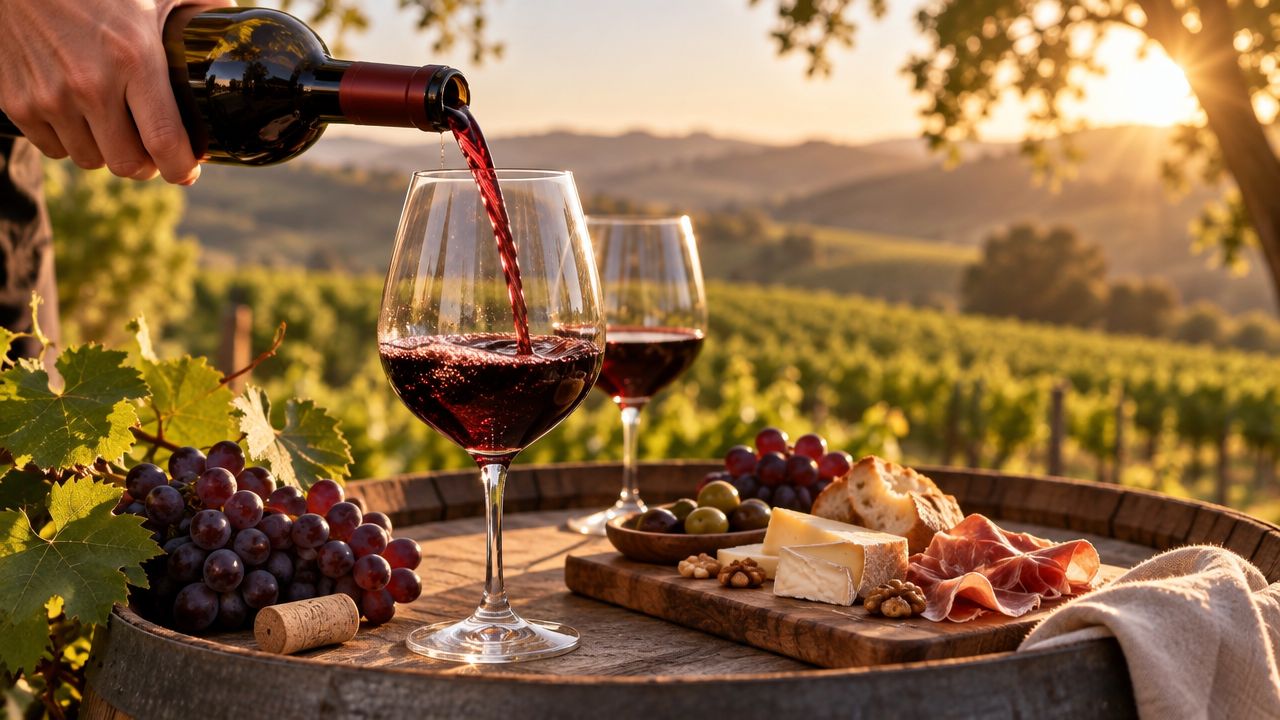
You know the feeling. A drive into Sonoma Valley starts to lift, the road opens, and a hilltop villa appears with the kind of presence that makes you slow down a little. That's why people search for a Tuscan winery California experience. They want the romance of an Italian estate, but they also want the practical part, good wine, an easy place to taste, and a visit that feels worth the trip from San Francisco or Marin.
Viansa fits that expectation because it was founded in 1990 by Sam and Vicki Sebastiani and introduced as a Tuscan-inspired Sonoma estate that helped turn the winery tasting room into a full visitor experience, not just a retail stop (Los Angeles Times coverage). The estate has long been known as a gateway destination at the southern entrance to Sonoma Valley, and that matters more than one might realize when deciding where to spend their time. A hilltop setting changes the mood before the first pour even begins.
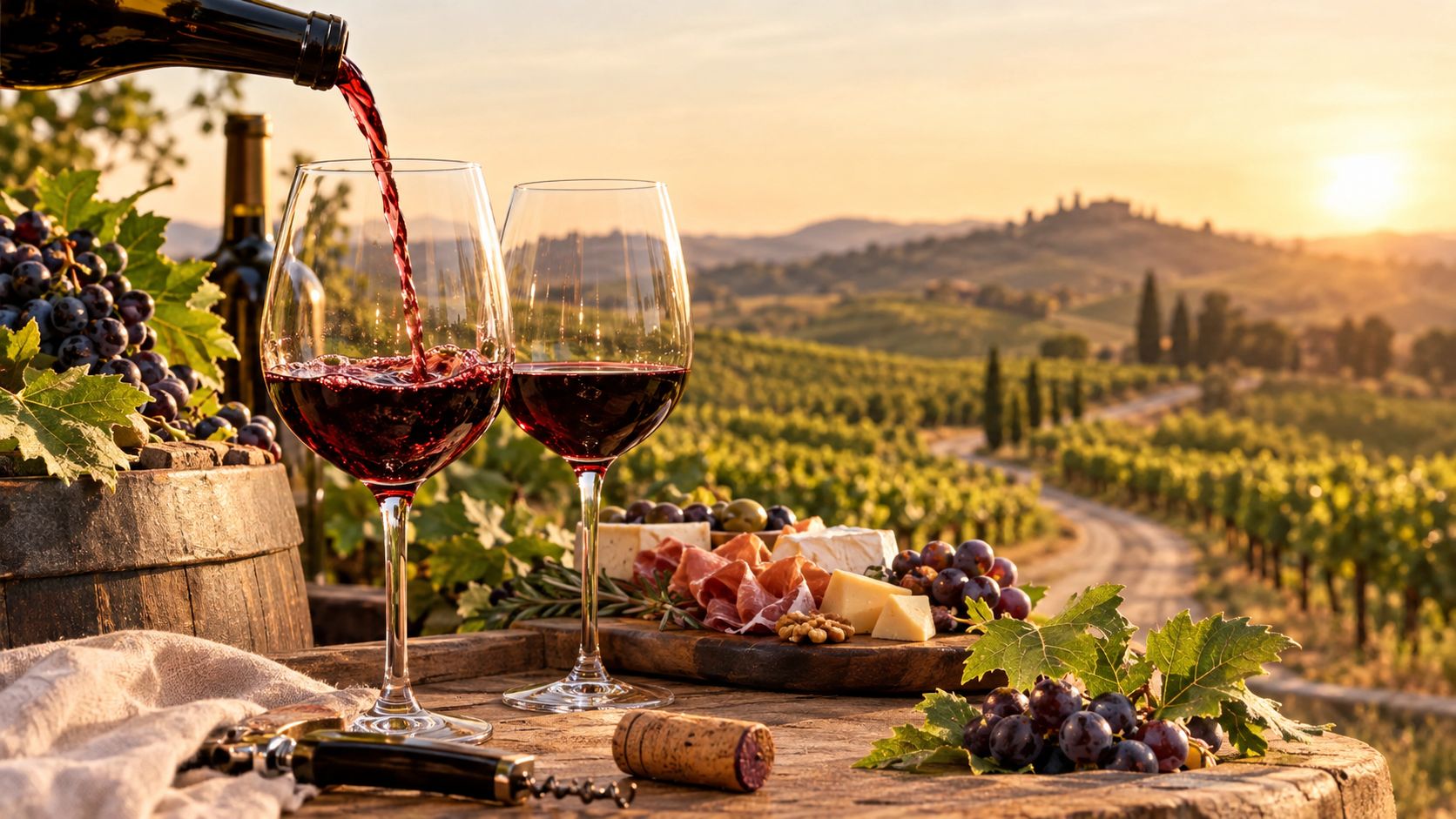
Some visitors are chasing architecture. Others care most about Italian varietals, a scenic lunch stop, or a place that can also host a celebration. The right answer isn't the same for every traveler, so this guide builds the experience step by step, from what Tuscan style means in California to how Viansa expresses it through design, wine, wetland stewardship, and visit planning.
Introduction to the Tuscan Winery Experience in California
A visitor usually notices the setting first at a Tuscan winery California destination. A hilltop villa, warm stone, and wide valley views can make Sonoma feel close to central Italy, even before the first sip.
That is the draw of Viansa. The estate sits where Sonoma Valley opens from the south, so the approach becomes part of the visit. Its own story presents the property as shaped by Italian inspiration, Sonoma history, and hospitality, which helps explain why it feels like more than a tasting room and more than a lookout point.
For someone visiting Sonoma for the first time, that mix solves a familiar choice. One stop can cover scenery, culture, and an easy place to taste without requiring a full day of planning. Wine enthusiasts often want the same balance, with one extra layer, they want to see whether the Italian identity shows up in the glass, not only on the label.
Practical rule: If a place looks Tuscan but drinks like a generic wine bar, the experience stays surface-level. A true estate winery connects architecture, varietals, and hospitality.
The useful question is simple. Is the property best for wine, for nature, or for an event? Viansa answers in all three directions, but each one serves a different visit. A seated tasting suits guests who want to focus on the wine. A casual glass fits people who came for the view. Weddings, private gatherings, and quiet days built around the land suit guests who want the setting to carry more of the experience. The 97-acre wetland also adds another layer, because the property is not only a hilltop villa, it is a place where scenery and stewardship shape how the visit feels.
What Makes a Winery Tuscan Style in California
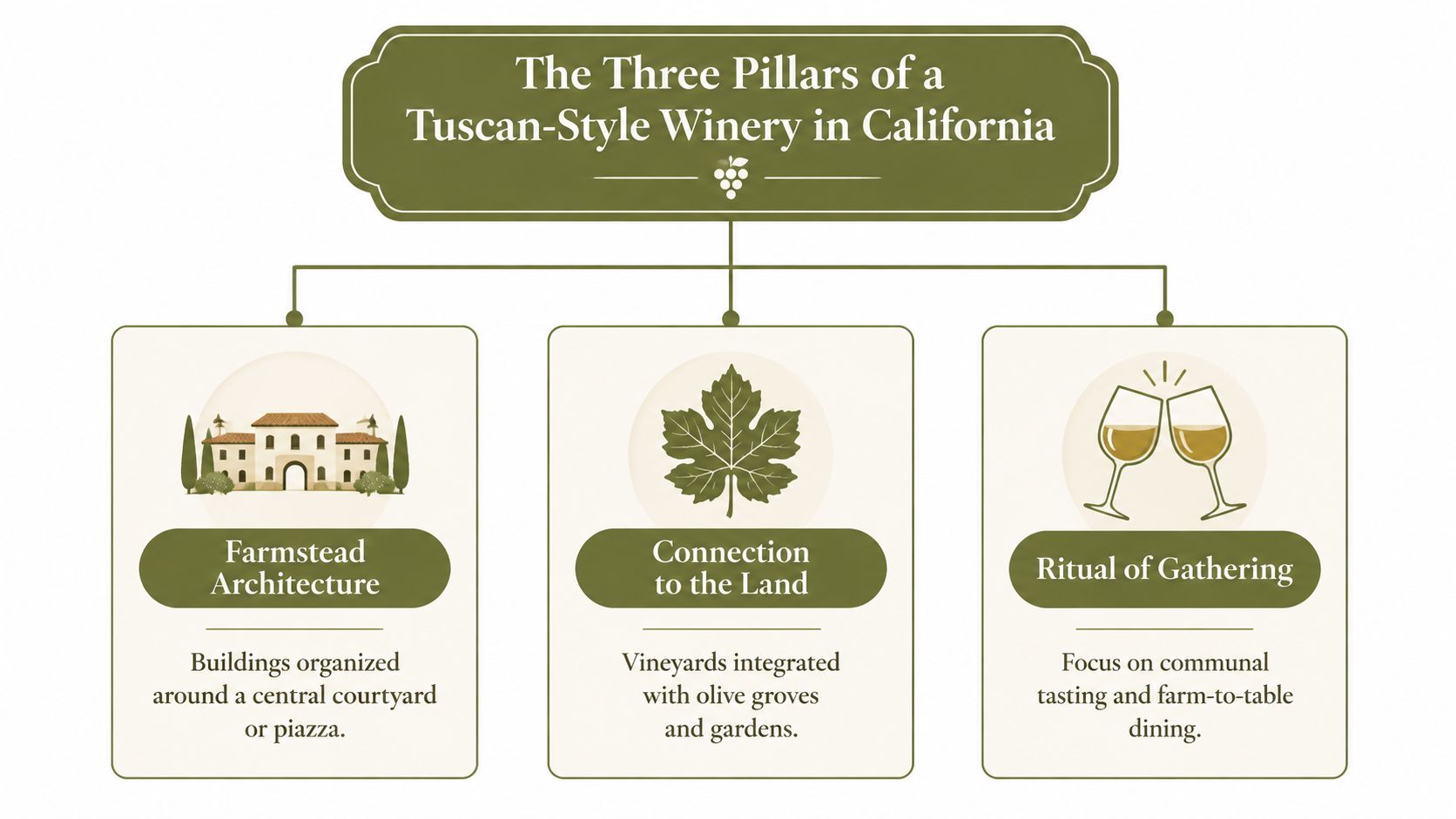
Tuscan style in California starts to make sense when three parts work together, architecture, Italian-heritage wine, and hospitality that feels like a gathering place. Leave one out, and the result can look decorative without feeling lived in.
The farmstead idea comes first
A Tuscan farmstead is organized like a small village. Buildings gather around a shared courtyard, so the guest's movement feels social instead of purely practical. Viansa follows that pattern with a cluster of buildings around a common courtyard, and a tasting route that moves through an underground cellar into a 3,500-square-foot beamed and frescoed tasting room above.
That layout changes the pace of the visit. Guests do not arrive at a simple counter and leave just as quickly. They pass from a tighter, cooler space into a room that opens to light and view, which gives the experience the same kind of rhythm you would expect at a hillside estate.
The wine has to carry the story
Tuscan style also depends on what is in the glass. Viansa's Italian focus includes Sangiovese and Arneis, so the estate reads as connected to Italian winemaking traditions instead of only borrowing the visual look. That matters because the wine has to match the setting. A scenic property without a clear wine identity can feel like a backdrop, while an estate with Italian varietals gives the visit a clearer point of view.
Hospitality completes the picture
The last piece is ritual. A Tuscan-style property invites guests to linger, share, and settle in. Seated tastings, by-the-glass service, and a layout that supports conversation all help create that feeling. For readers comparing a few options, the easiest test is simple. If the property gives you reasons to stay for more than a quick pour, it is working in the Tuscan mode.
For a broader look at how estates in the region differ, the guide to wineries in Sonoma CA is a useful place to start.
Tuscany Versus Sonoma Terroir and Why It Matters for Wine Style
A Tuscan-style estate in California starts with a simple question. Is the guest here for wine, for nature, or for the setting that turns a tasting into an outing? Terroir answers part of that question, because place shapes flavor the way a room shapes sound. A stone hall and an open terrace do not create the same experience, and a cool valley edge does not behave like a warm inland slope.
Sonoma's climate gives the estate its shape. The south end of Sonoma Valley near Carneros can be cooler than Kenwood farther north because marine air moves inland from San Pablo Bay. That cooler push helps explain why a hilltop property at the valley's entrance can feel brisk and lifted instead of heavy.
Elevation adds another layer. Higher ground changes fog exposure, wind, and drainage, so grapes ripen with a different rhythm than they would on flatter land. The result is often wines with more tension, more clarity, and less obvious weight.
Soil changes the picture again. Sonoma's valley-floor alluvial and clay-loam soils tend to suit varieties such as Cabernet Sauvignon and Merlot, while faster-draining volcanic and rocky soils often lead to more structured reds. A Sonoma Valley wineries guide can help readers see how those differences show up across the region. A separate look at soil and site conditions also points to hydrology, topography, and microclimate, since they influence vine vigor, irrigation needs, and disease pressure.
That is why a Tuscan-inspired estate in California is not copying Tuscany piece by piece. It is translating the feeling of an old-world hill property into Sonoma conditions.
Practical takeaway: Better drainage and more exposure usually mean firmer structure, brighter freshness, and a cleaner finish.
For guests at Viansa, the hilltop setting is part of the wine story. A Sangiovese grown in Sonoma can still suggest Italy in style, yet Sonoma's marine influence, slope, and soil give it a different accent than the same grape would have on a Tuscan hillside. The choice between wine, nature, and events becomes clearer when you taste with the terrain in mind, and when you want a broader view of the area, the Sonoma soil and terroir analysis helps explain why the valley produces such varied expressions.
Inside Viansa and What Guests Experience on the Summit of Sonoma
A visit to Viansa begins before the first pour. Guests arrive at a hilltop villa with wide valley views, then move through courtyard spaces that are set up for both tasting and unhurried conversation. The property feels planned in layers, like a good meal that starts with the view, moves to the wine, and ends with a reason to stay a little longer.
What the Summit of Sonoma tasting feels like
The Summit of Sonoma tasting gives the visit its shape. It is the most structured way to experience the estate, while the other options, such as by-the-glass service and first-come seating, give guests a looser way to spend the day.
For someone trying to choose between wine, nature, and an event, that distinction matters. A seated tasting suits visitors who want more focus. A casual stop fits guests who want to enjoy the hilltop setting without committing to a full tasting. Event bookings serve a different purpose altogether, because the property is also built for gatherings.
The wines match that mix of experiences. Sangiovese and Arneis bring the Italian thread, while estate wines such as old-vine Zinfandel and Cabernet Sauvignon keep the tasting grounded in Sonoma fruit. That combination lets a guest move between old-world style and local character without leaving the estate.
Why the setting changes the experience
The hilltop setting changes the pace. A glass poured on a terrace feels different from one poured at a standing counter, because the eye has room to travel and the visit stops feeling hurried. The view is not just a backdrop. It helps explain why the estate feels more like a destination than a quick tasting room stop.
The architecture helps guide that feeling, too. Rooms open in a way that leads guests from one part of the estate to the next, so the walk itself becomes part of the visit. For a closer look at current tasting and visitor details, the Viansa visit page is the best place to check what is open and how the day is organized.
What guests also notice on site
The 97-acre wetland is part of the broader experience, even for visitors who come mainly for wine. It adds a natural counterpoint to the hilltop villa, so the estate reads less like a single scenic room and more like a property with different kinds of value in one place.
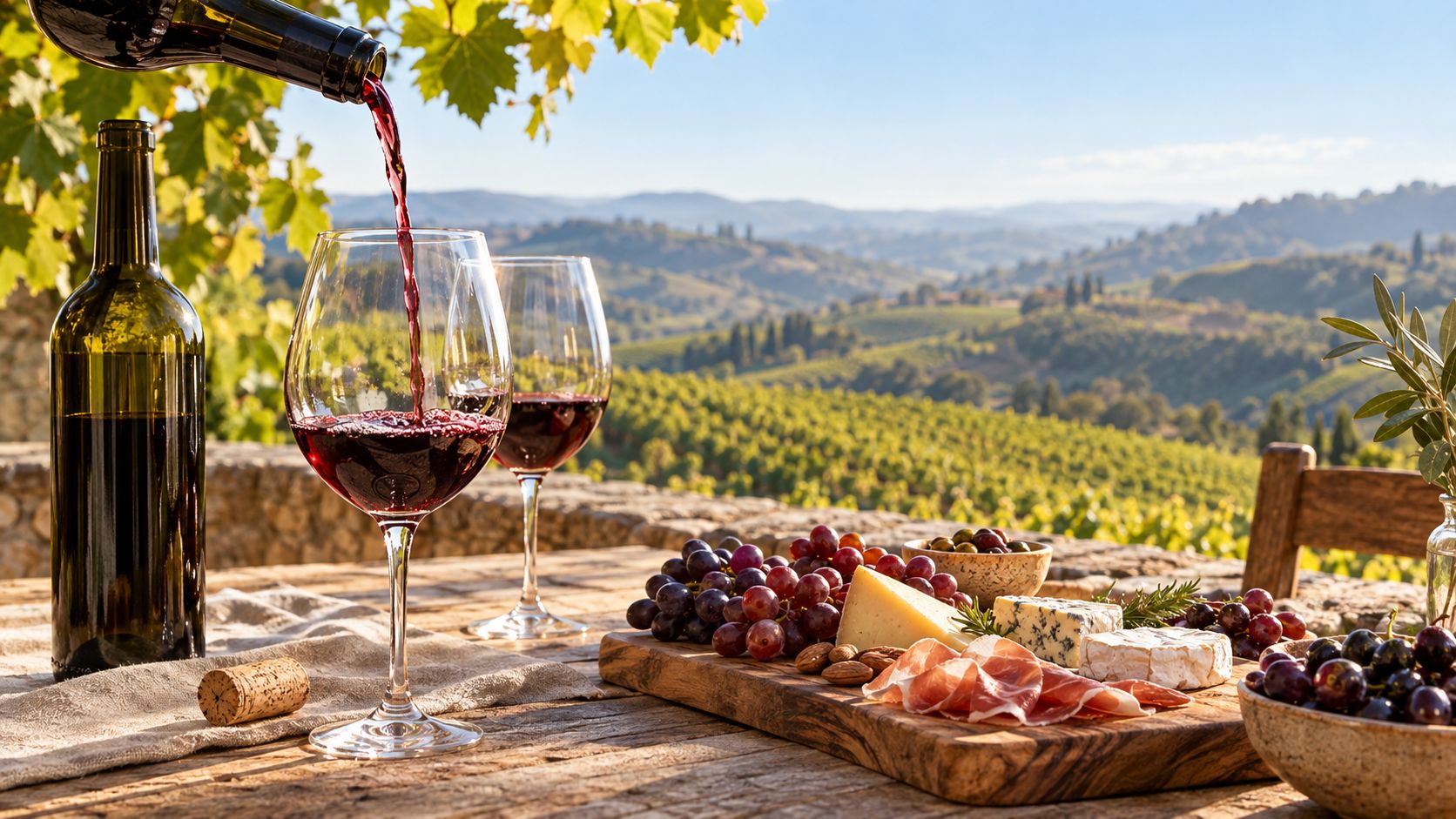
Choosing Your Tasting Experience Wine Club and Events at Viansa
Not every visitor wants the same kind of stop. Some want a quick glass with a view, others want a seated tasting with more structure, and some are really looking for a venue that can handle a celebration. The best choice depends on the job the visit has to do.
Which option fits the goal
| Visit Goal | Best Option | Booking Tip |
|---|---|---|
| A flexible first stop in Sonoma | By-the-glass service with first-come seating | Arrive early if the view matters most |
| A more curated wine tasting | Reservation-based tasting | Book ahead, especially for a slower, seated pace |
| Ongoing discovery at home | Wine club membership | Use the club for scheduled releases and recurring selections |
| A wedding, proposal, or corporate offsite | Event booking | Prioritize dates with the right guest flow and view access |
The wine club is the most practical fit for people who want a relationship with the estate beyond one visit. It's a way to keep discovering new bottles without turning every purchase into a new search. The club information lives on Viansa's wine club page, which is the right place to review membership details and releases.
Events have a different booking logic
Events are its own category. Saturdays carry the strongest demand because they're the classic wedding day, but the estate's Friday, Sunday, and weekday availability can work better for couples, companies, and smaller groups that want the same views with less pressure on the calendar. That's especially useful for proposals and offsites, where the setting needs to feel special without forcing a crowded weekend schedule.
Decision rule: Choose the format that matches the pace you want, not the one that sounds fanciest.
That simple rule prevents disappointment. A walk-in glass suits a spontaneous southern gateway stop. A seated tasting suits a deeper wine focus. A wedding or offsite needs the site's full hospitality range, not just a nice photo angle.
Wetland Preserve Stewardship and How It Shapes Your Visit
The 97-acre wetland preserve is one of the clearest signs that Viansa is more than a scenic hilltop. It sits beside Sonoma Creek, and it helps explain why the estate feels managed, not decorated. The preserve is part of the property's identity, so the visit includes both wine country views and active land care.
Why the wetland is part of the wine story
Wetlands do practical work. On a winery estate, they act as hydrologic buffers and habitat corridors, and they also show how water moves through the land. Drainage, topography, and soil behavior shape vine vigor, irrigation demand, and disease pressure, so the preserve connects to winegrowing in a real way, not just a visual one (Sonoma soil and terroir analysis).
That changes how the estate should be read. A visitor focused only on the view may see wetlands as scenery. A visitor who slows down will notice that water movement, drainage, and habitat function are part of how the property operates.
Access is managed for a reason
Older conservation reporting notes that the wetlands are seasonally closed as a refuge for nesting and wintering birds (Viansa's story). That answers a common question, why doesn't every beautiful part of the estate stay open all the time? Stewardship sometimes means limiting access so the land can keep doing its work.
The wider guest experience follows the same logic. Some areas are meant for tasting, some for lingering, and some for wildlife, which keeps the property balanced. A wetland preserve is not a backdrop wall painted green. It is a living system that needs space, rest, and careful use.
Conservation shapes the guest experience here because the land is being treated as a living system, not as decoration.
That perspective makes the visit clearer. The tasting room sits within an estate that has to hold wine production, hospitality, and habitat care at the same time. When guests understand that balance, the hilltop feels less like a stage set and more like a place with working parts, each with its own purpose.
Planning Your Visit From San Francisco and Marin to the Hilltop
A visit to Viansa works best when you treat it like choosing between three different experiences, wine, nature, and a gathering place. From San Francisco or Marin, the drive south gives the day a clear direction, and the hilltop arrival makes the first glass feel tied to the setting rather than separated from it.
Start by deciding why you are going. A seated tasting calls for a reservation. A casual stop for the view needs more flexibility, especially if you want time to linger. If your plan includes bottles to take home, the online shop makes that part simple after the visit. For travelers building a Sonoma day around wine, scenery, and a smooth itinerary, Explore Effortlessly travel agency can help shape the route.
The estate's history also helps explain the visit. It began in 1990 as a Tuscan-inspired destination and became a gateway winery with a clear visitor identity (Los Angeles Times coverage). That background is why the experience feels organized but still warm. The architecture sets the tone, and the hillside does the rest.
A simple plan works best.
- Choose the visit type first: tasting, glass, club, or event.
- Match the timing to the mood: earlier for open views, later for a slower pace.
- Reserve the right setting: wine focus, nature time, or a celebration each asks for something different.
That choice matters because the property is not only a tasting stop. It is a place where Tuscan design, Italian varietals, and event spaces sit beside a working natural preserve. Guests who come for wine can center the tasting room. Guests who come for the view can spend more time on the hilltop. Guests planning a celebration can book around the setting that fits the day.
By the time you leave, the appeal of a Tuscan winery California visit is easy to read. It gives you a wine stop, a scenic stop, or an event venue in one place, and the hilltop lets you choose which part of Sonoma you want most.

