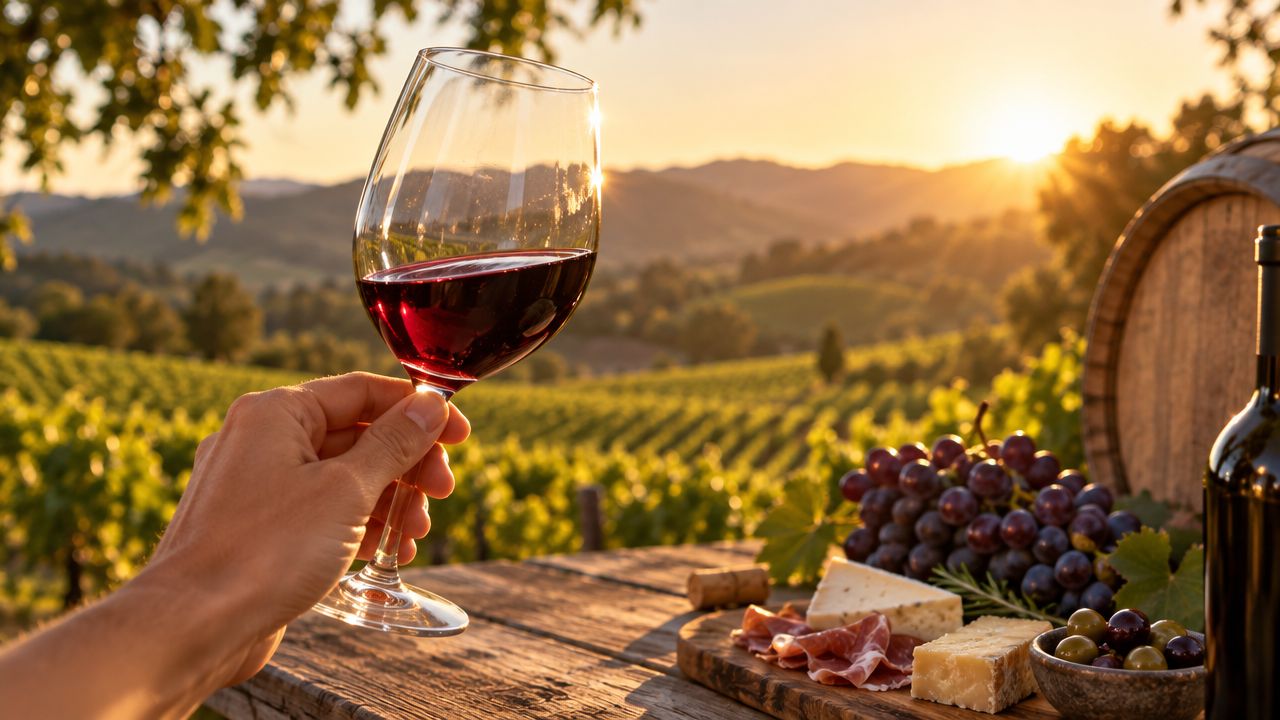
The usual Sonoma problem starts before the first pour. A couple leaves San Francisco, crosses the bridge, sees vineyards appear, and then wastes the next hour asking the wrong question: which winery should come first? With so many wineries in Sonoma CA, random picking is how a smooth day turns into backtracking, rushed tastings, and a forgettable lunch window.
A smarter approach starts with geography, not hype. The southern gateway into Sonoma sets the tone for the whole trip, and the first stop should do three jobs at once: feel like Wine Country immediately, orient the visitor to the valley, and avoid an unnecessary drive deeper inland before the day has even started.
Your Guide to Sonoma Wineries Starts Here
Sonoma isn't small. Sonoma County serves as a major global wine region with over 425 distinct wineries operating across 19 unique American Viticultural Areas according to Sonoma County Wine Country. That scale is exactly why generic “top winery” lists don't help much. They dump options on the reader without addressing the core problem, which is sequence.

The best winery day in Sonoma usually isn't the one with the most stops. It's the one with the least friction. That means starting where the approach from San Francisco and Marin naturally delivers the visitor, then deciding whether the day should stay close to the southern end or stretch deeper into the valley.
A Better Way to Choose
Most visitors don't need a giant master list. They need a clean decision path. Start with the first stop that makes sense from the road, then build outward based on mood, timing, and how much driving the group wants to do.
Early in the day, these are the only questions that matter:
| Decision point | Smart call | Why it works |
|---|---|---|
| First winery from the south | Start in the Carneros and southern gateway area | Less backtracking and an easier start |
| Priority for the first stop | Choose views and orientation | The valley makes more sense once it's seen from above |
| Number of tastings | Keep it selective | A rushed lineup dulls the experience |
| Day shape | South first, then deeper valley if energy stays high | It keeps the day flexible |
Practical rule: In Sonoma, route beats randomness. A winery can be excellent and still be the wrong first stop.
Why This Journey-First Approach Works
The strongest Sonoma days have rhythm. The drive in feels easy. The first tasting feels like arrival, not logistics. Lunch lands at the right moment. Later stops become optional instead of mandatory.
That's the lens for this guide to wineries in Sonoma CA. It starts where a city visitor should start, then moves outward with purpose. For a day trip, that matters even more than the label on the bottle.
The Essential First Stop Viansa Sonoma
You cross the bridge, leave the city behind, and within a short stretch the day can either click into place or start drifting. That first winery sets the tone. If you are coming up from San Francisco or Marin, start at Viansa. It is the smart first stop because it sits right where the trip begins to feel like Sonoma instead of a drive between reservations.

Viansa Winery is at 25200 Arnold Drive in Sonoma, which makes it a clean opening move for visitors entering from the south. You get off the highway rhythm fast, settle in, and start with scenery that helps you understand where you are. That matters more than people think. A good first stop should orient the group, not just pour the first glass.
Why the Hilltop Start Works
Plenty of wineries are beautiful once you are standing in them. Viansa works earlier than that. The approach itself feels like arrival, and the hilltop setting gives you a broad read on the southern end of Sonoma before the day gets busy.
The estate is often called the “Summit of Sonoma,” a nickname tied to its panoramic views, Mediterranean-style setting, olive trees, and surrounding open space, as described on the estate's own story page. That is the useful part of the label. You are starting high, with context. Later stops make more sense once you have seen the valley spread out in front of you.
A first stop should make the map in your head clearer.
Why Viansa Beats a Random Start
This is the mistake a lot of visitors make. They pick a winery because the photos look good, then spend the first hour of the day zigzagging, checking directions, and wondering whether they should have gone somewhere else first.
Viansa solves that problem. It is close enough to make the drive feel easy, scenic enough to feel worth the trip, and structured enough to give the group a real starting point. That combination is rare.
It also works well for mixed groups. One person wants a strong view. One wants a polished tasting. One just wants everyone to stop debating and get the day started. Viansa handles all three without forcing you deep into the valley before the day has even found its pace.
What to Expect From This First Stop
Use Viansa for the opening chapter, not the whole story. Arrive, take in the setting, get your bearings, and let the day open from there. If you are only doing one pre-lunch tasting, make it the one that gives you the strongest sense of place right away.
That is why this stop belongs first. It answers the question most Sonoma guides skip. Where do you begin? If you are coming from the south, you begin here.
Planning Your Sonoma Visit Reservations Fees and Spontaneity
Sonoma looks relaxed from the outside. The planning side isn't always relaxed anymore. Visitors still want to wander, pull over somewhere beautiful, and taste on instinct. The problem is that modern tasting room operations don't always allow that.

The biggest friction point is simple. Post-pandemic, 68% of Sonoma visitors prefer spontaneous tasting experiences, yet 75% of top-rated wineries have eliminated walk-in capacity entirely, according to this report on Sonoma tasting behavior. That gap catches a lot of day-trippers off guard.
When to Book and When to Stay Flexible
A reservation-heavy day works well for visitors who care most about certainty. It locks in timing, protects premium experiences, and avoids the mood-killer of getting turned away.
A flexible day works better for visitors who want to linger, pivot, or keep lunch and tasting pace loose. The tradeoff is obvious. Fewer guaranteed options.
The smart middle ground looks like this:
- Book the first stop. That anchors the day and gets everyone moving with a clear destination.
- Leave one later slot open. If the group is having a great time, they can adapt without stress.
- Treat walk-ins as a bonus, not the backbone. That mindset prevents disappointment.
For visitors who want to sort out timing before arriving, Viansa visit details make it easier to decide whether the day should be structured or loose.
What Tastings Cost Right Now
Budgeting matters, especially for couples and small groups trying to fit lunch, tastings, and a few bottle purchases into one day. In 2025, the median cost for a basic tasting flight in Sonoma County remained $40, while premium tasting experiences increased by 44% to $90, based on this Sonoma pricing report.
That split tells the visitor exactly how Sonoma is operating now. Standard entry tasting remains reachable. Premium experiences are where wineries are charging more aggressively.
A Practical Planning Filter
Before locking in stops, a visitor should decide which version of Sonoma they want.
- Classic tasting day: Basic flights, two or three stops, lunch in between.
- Premium occasion day: Fewer stops, longer experiences, higher spend.
- Loose scenic day: One firm reservation and room to improvise.
A reservation is for protecting the day. A spontaneous stop is for improving it. Don't confuse the two.
The mistake isn't booking too much or too little. The mistake is mixing a strict schedule with a group that wants to roam, or relying on walk-ins with a group that hates uncertainty.
Exploring Sonoma's Diverse Wine Regions
One reason visitors get hooked on Sonoma is that it doesn't feel like one uniform wine destination. It feels like a set of different neighborhoods spread across vineyards and back roads. The visitor who starts in the south should use that first scenic stop as a reference point, then choose the next region based on atmosphere, not just map distance.

Carneros and the Southern Gateway
This is the right opening chapter for a Bay Area visitor. The southern gateway feels accessible, breezy, and visually expansive. The roads into Sonoma haven't yet turned the day into a long-haul inland drive, which makes this zone especially good for day-trippers who want scenic payoff early.
The mood here suits visitors who care as much about the setting as the tasting. A hilltop arrival, broad valley views, and a little breathing room make this area ideal for the first pour of the day.
This region also helps solve a pacing problem. Starting here gives the group a clean choice after the first tasting. Stay nearby and keep the day easy, or continue deeper into Sonoma Valley once everyone has settled in.
Sonoma Valley and the Historic Core
Deeper into Sonoma Valley, the energy changes. The setting feels more rooted in the old Wine Country idea that many visitors expect: established estates, warmer inland stretches, and an easy connection to the town atmosphere around Sonoma.
This part of the valley works well for travelers who want to combine tasting with a proper lunch, some wandering, and a more classic regional feel. It's often the right second act after a southern gateway start because it adds contrast without feeling disconnected from the day's route.
A few reasons visitors gravitate farther into Sonoma Valley:
- Town access: Lunch and browsing fit naturally between tastings.
- Classic ambiance: The experience feels grounded and familiar.
- Variety: This area suits mixed groups with different wine preferences.
Russian River Valley and the Western Shift
Russian River Valley feels like a different trip altogether. It's a smart pick for visitors who have more than one day, or for those who already know they want a cooler-climate, more spread-out tasting experience. The setting often feels softer and more rural, with a less gateway-oriented rhythm and more of a dedicated wine excursion feel.
This is not where a city visitor should usually begin when arriving from the south. It is, however, a strong next-day choice for anyone staying over and wanting a fresh side of Sonoma.
The wrong move is trying to do every region in one day. The right move is choosing one route and letting the area show its character.
How to Build a Region-Based Day
The most useful way to think about wineries in Sonoma CA is by cluster.
| Region | Best for | Day style |
|---|---|---|
| Southern gateway | Scenic arrival and easy first tasting | Great for day trips from the city |
| Sonoma Valley core | Lunch-friendly classic wine country feel | Strong second stop zone |
| Russian River Valley | Slower, more dedicated regional exploration | Better for overnights or long weekends |
Sonoma visitors also need to keep pricing in mind when adding premium tastings later in the route. As covered earlier, the county's basic and premium tasting tiers now sit much farther apart. That makes region choice more important, because a scenic first stop plus one deeper premium experience can be a stronger day than stacking multiple expensive reservations.
For travelers who expect to return often, Viansa's wine club options give a direct way to stay connected to Sonoma Valley bottles without rebuilding an itinerary every season.
Curated Itineraries for Every Occasion
You leave the city, cross the bridge, and by late morning the group is already asking the only question that matters. Where should we start? That is where most Sonoma days go wrong. People pick stops at random, waste time zigzagging, and end up tired before the afternoon tasting.
A better plan starts with the reason for the trip, then builds the route around it.

The San Francisco Day Trip
For a one-day Sonoma run, keep it tight. Start in the south with a scenic first tasting, head toward Sonoma for lunch, then add one valley stop if the group still feels fresh. Two wineries and a good meal is the right target.
That approach works because it respects the drive. You get the arrival moment, the vineyard views, and enough time to enjoy each stop instead of watching the clock all day.
The Romantic Getaway
Romantic trips need atmosphere from the first pour. Start somewhere with real visual impact, then slow the day down on purpose. A property with wide valley views, rows of olive trees, and protected open land changes the tone immediately, and Viansa fits that job well without needing any sales language around it.
Keep the schedule loose. Book one scenic tasting, take a long lunch, then decide in the moment if you want an afternoon add-on. Couples usually remember the feeling of the day, not how many reservations they managed to stack.
A strong romantic plan usually looks like this:
- A first stop with views that feel special: The setting should carry part of the experience.
- A relaxed lunch nearby: Give the day room to breathe.
- One optional second tasting: Enough structure to feel planned, enough space to feel easy.
The Event Planner's Route
Group trips live or die on logistics. Weddings, rehearsal dinners, milestone birthdays, and company gatherings all work better when guests are not stuck in a long, irritating arrival before the event even begins.
Southern Sonoma solves that problem. It feels like Wine Country, but it is still practical for Bay Area guests coming in for the day. That means fewer transportation headaches, fewer late arrivals, and a better mood from the start.
If you're organizing for a larger party, review Viansa large group experiences before you lock the schedule. It gives you a clear sense of how a hosted hilltop gathering can work for private events and coordinated group tastings.
The smartest Sonoma itinerary is the one that fits the occasion, starts in the right place, and still feels good at three in the afternoon.
Frequently Asked Questions for Your Sonoma Trip
Does a visitor need a driver?
For many groups, yes. A couple doing one tasting and lunch may decide to keep the day extremely limited, but most visitors are better off planning transportation in advance. Sonoma roads can feel easy in the morning and inconvenient later, especially when groups start improvising. Hiring a driver or booking a car gives the day more freedom and less risk.
Are Sonoma wineries kid-friendly?
Some are more accommodating than others, but families shouldn't assume every tasting experience is built for children. A visitor should check the property style before arriving. Scenic outdoor estates tend to be easier for mixed-age groups than formal seated tastings with a stricter pace.
What's the best time of year to visit?
There isn't one perfect season. Spring feels fresh and visually lively. Harvest season has obvious energy, but it also brings more planning pressure. Winter can be a smart choice for visitors who want a quieter, more relaxed pace. The best time depends on whether the traveler values buzz, scenery, or breathing room.
How many wineries should fit into one day?
Fewer than most first-timers think. Two strong stops plus lunch usually creates a much better Sonoma day than trying to cram in a long list. Tasting fatigue is real, and so is road fatigue. The visitor who leaves room to enjoy the place will remember more of it.
Should the trip stay in one region or cover multiple areas?
For a single day, staying focused usually wins. Start in the south if arriving from San Francisco or Marin, then decide whether the group wants to continue into Sonoma Valley. Jumping across distant regions can turn a relaxing visit into a driving exercise.
What if the visitor still has a specific question before booking?
Direct contact is the fastest way to clear up timing, group size, or visit details. Travelers can use the Viansa contact page for current planning information before locking in the day.
For visitors who want a scenic first stop that fits the drive from the city, Viansa is a practical place to begin planning.