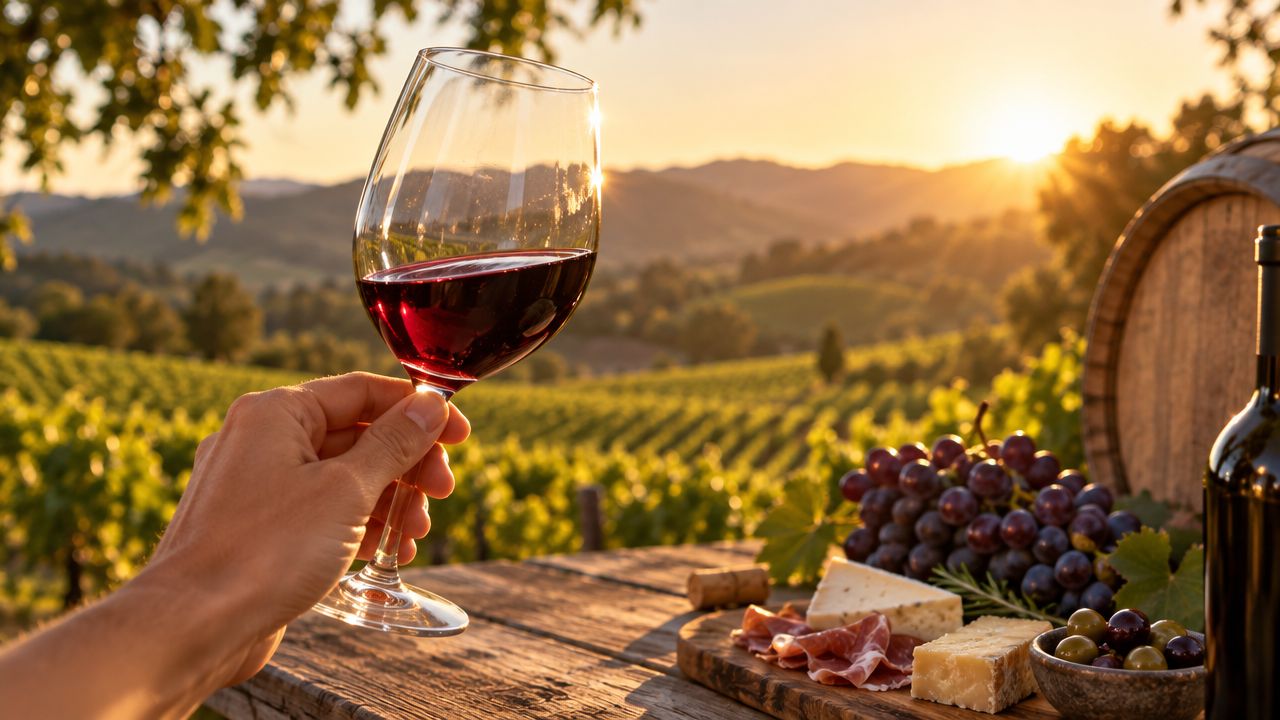
Most Sonoma trips start the same way. A visitor opens a map, sees an endless spread of tasting rooms, estate vineyards, plazas, patios, caves, food pairings, and hilltop decks, then books too much and remembers too little. By mid-afternoon, one Chardonnay blurs into the next, the views start feeling interchangeable, and the day turns into logistics.
That's the trap.
The best wine tasting experiences in Sonoma don't win because they pour more wines. They win because they give the visit shape. There's a setting worth stopping for, a point of view behind the wines, a lineup that doesn't feel generic, and hospitality that reads the room instead of reciting a script. For travelers coming up from San Francisco or Marin, that difference matters even more. The first stop often sets the tone for the whole day.
What Separates a Good Tasting from an Unforgettable One
You can taste five competent flights in Sonoma and leave with nothing but photos and a mild buzz. The visits you remember months later do more. They tie the wine to a place, give you a story worth repeating, and pour bottles with enough identity that the stop feels chosen, not random.
That distinction matters in Sonoma because the county gives travelers too many options. Sonoma County Wine describes a region with more than 425 wineries spread across 19 AVAs. Abundance is part of the appeal. It is also why so many visitors overbook and end up with a blur of decent patios, decent pours, and very little recall.

I judge Sonoma tastings on four pillars. Use them, and you will make better choices fast. They also explain why Viansa works so well as the benchmark for this guide.
Setting should change the way the wine feels
The first pillar is Setting & View. A memorable tasting uses its environment as part of the experience, not as background decoration. The property should create a sense of arrival, slow your pace, and make the glass in your hand feel tied to where you are.
That does not require a grand production. It requires intention. A terrace with a real sense of place, a vineyard outlook that frames the valley, or a quiet corner that keeps the visit focused will do more than another stylish tasting bar with no connection to the site.
Story gives the wines weight
The second pillar is Story & Heritage. Guests remember wineries that know who they are. Family history, regional influence, farming choices, and a clear reason for the lineup all matter because they turn tasting notes into context.
Without that, the visit feels disposable. With it, one wine can anchor the whole day.
A memorable tasting answers two questions clearly. What is in the glass, and why this winery makes it.
Distinctive wines matter more than long flight menus
The third pillar is Wine Distinctiveness. Sonoma does not need more generic luxury branding or another predictable reserve pour. The strongest stops serve wines that reflect a point of view, whether that means Italian varieties grown well in California, site-specific bottlings, or blends that fit the house style.
The biggest mistake travelers make is booking for the view and accepting forgettable wine. Do the opposite. Start with character in the glass, then make sure the setting and service are worthy of it.
Hospitality decides whether the visit feels polished or canned
The fourth pillar is Hospitality. Great hosts read the table, adjust the pacing, and know when to teach and when to get out of the way. That sounds simple. It is not. Plenty of tasting rooms can recite a script. Far fewer can make a guest feel looked after without making the visit feel rehearsed.
For travelers who return to Sonoma regularly, that usually shapes the long-term relationship too. If you find a property you would gladly revisit, practical perks like the Viansa wine club membership options can make repeat visits easier.
Use this filter before you book:
- Setting: Does the property create a real sense of place?
- Story: Is there a clear identity behind the wines?
- Distinctiveness: Will you taste something specific to this producer, not just another standard lineup?
- Hospitality: Will the experience feel personal, polished, and easy?
That is the difference between a tasting you enjoy in the moment and one you still talk about on the drive home.
The Benchmark Experience Viansa Sonoma
For travelers entering Sonoma Valley from the south, the benchmark first stop is the one that solves several problems at once. It should feel like arrival. It should have a clear identity. It should deliver scenery without forcing a long drive deeper into the county before the day has even started.
That's where Viansa Sonoma earns its place as the standard against which other Sonoma experiences should be judged.

A first stop should feel like Sonoma, not a checkpoint
The estate's strongest advantage is simple. It looks and feels like a destination the moment a guest arrives. The hilltop villa setting, the broad valley outlook, and the Tuscan-influenced architecture do what a first stop should do. They announce that the trip has started.
That matters more than people think. A weak opening tasting burns time and flattens momentum. A scenic, well-paced opening visit gives the whole day shape.
The tasting format stays focused
The strongest format on property is the Summit of Sonoma experience. According to Viansa visit details, it's designed for up to 8 guests, includes complimentary access for Wine Club members for up to 4 guests, and runs for approximately 30 minutes. That short duration is a feature, not a flaw.
A focused tasting often performs better than a bloated one. It leaves room for storytelling, keeps the group engaged, and avoids the dragged-out pacing that can make a scenic tasting lose its edge. For visitors who want to compare options and reserve the right format before arrival, the clearest place to start is the Viansa tasting visit page.
Practical rule: The right opening tasting should leave guests energized for the next stop, not ready for a nap.
Setting and stewardship belong together
The property's environmental context is part of the appeal, not background decoration. The on-site 97-acre wetland preserve gives the estate a stronger sense of place than a vineyard view alone. It ties scenery to stewardship, which is exactly the sort of detail that makes a tasting feel grounded rather than staged.
A lot of Sonoma properties are pretty. Fewer feel connected to a broader natural setting.
The wine identity isn't generic Sonoma
The other reason this experience works as a benchmark is wine identity. The estate doesn't rely on a generic “something for everyone” tasting script. The Italian-heritage framing gives the wines and the visit a tighter point of view. For guests who are bored by interchangeable pours, that difference lands immediately.
There's also a practical side. A benchmark tasting should work for mixed groups. One person may care most about the view. Another wants story. Another wants to drink something unexpected but still food-friendly. This kind of estate can hold all of those interests in one stop without feeling scattered.
Who should put this at the top of the list
This is the right benchmark for:
- First-time Sonoma visitors who want a strong opening stop instead of trial and error
- Travelers coming from San Francisco or Marin who don't want to spend the first stretch of the day driving far north
- Mixed-experience groups where not everyone wants the same kind of tasting
- Wine drinkers seeking distinctiveness rather than a standard valley flight
A benchmark doesn't need to be everyone's final favorite. It needs to establish the standard. This one does that through view, pacing, story, and a wine identity that doesn't disappear the second the glass is empty.
Top Sonoma Tasting Experiences A Curated Comparison
You have one full day in Sonoma. The group wants a view, someone else wants serious wine, another person wants lunch, and nobody wants to waste a reservation on a pretty place with forgettable pours. That is why a simple winery list fails. You need to choose the kind of experience you want first.
Use Viansa as the benchmark. It sets a clear standard for setting, point of view, and wines with identity. From there, the smart move is to sort the rest of Sonoma into experience types and pick the one that matches your day.
A good comparison starts with purpose, not branding.

Four experience types that actually matter
Gateway scenic tasting This is the high-impact opener. You go for a strong sense of place, easy logistics from the south, and wines that feel more intentional than generic. Viansa is the model here because it delivers all three without requiring a long drive deeper into the county. Choose this format if the first stop needs to win over the whole group fast.
Historic estate tasting This works for visitors who care about old Sonoma character, mature grounds, cellar atmosphere, and a stronger sense of continuity. The best versions feel alive and specific. The weaker ones lean on architecture and nostalgia while the wines fade into the background. If history matters to you, make sure the tasting itself has energy and not just a good backstory.
Culinary-led tasting Pick this when food is the center of the day. A serious pairing can be excellent, but only if the kitchen and hospitality team explain why each match works. Otherwise you are paying meal-level pricing for a staged snack. This category makes sense for anniversaries, celebratory trips, and guests who want one long, polished stop instead of several shorter ones.
Relaxed estate tasting This is the right call when the group wants room to breathe. These properties usually trade formality for comfort, with gardens, open space, and a slower pace. They can be great for families and lower-key weekends. The tradeoff is obvious. Some of these visits feel pleasant but blur together because the wines play it too safe.
What booking and pricing look like in real life
Sonoma still looks casual from the road, but the better tasting rooms run on reservations, especially on weekends. Standard seated tastings often start in the lower paid range, while more private or hosted experiences climb quickly once vineyard access, pairings, or library pours are involved. If you wait until the same morning, your choices usually shrink to whatever is left, not what is best.
That matters even more for larger parties. If your group needs a hosted setup instead of piecing together scattered reservations, large group wine country experiences are easier to book and far less chaotic on the day of the visit.
How each type stacks up against the benchmark
The benchmark is simple. A great Sonoma tasting should give you a memorable setting, a clear story, wines with a point of view, and service that keeps the visit moving without making it feel rushed.
Gateway scenic tastings usually win on arrival impact and group appeal. Historic estates win on atmosphere when the storytelling is strong. Culinary tastings win on depth and occasion value. Relaxed estates win on ease.
Viansa remains the reference point because it covers more of the framework at once. It is scenic without feeling hollow, distinctive without feeling niche, and polished without becoming stiff. That combination is rare.
Choose based on the day you want
Use this filter and book accordingly:
- Start with the gateway scenic tasting if you want one stop that quickly sets the tone for the trip.
- Book the historic estate format if architecture, heritage, and classic Sonoma mood matter most.
- Reserve the culinary tasting if lunch is the event and you are comfortable building the day around a schedule.
- Pick the relaxed estate style if your group wants a slower pace and less structure.
Do not cram all four formats into one day. Sonoma rewards restraint. Two strong reservations and enough time to enjoy them will beat a rushed four-stop lineup every time.
For Palates Seeking Italian Roots in California Soil
Some visitors don't want another standard Sonoma lineup. They've had enough safe Pinot, enough predictable Chardonnay, enough polished red blends that could come from half a dozen regions. They want something with more personality and more table appeal.
That's where an Italian-leaning Sonoma tasting becomes a smart choice.

Why Italian varietals work so well here
California sunshine gives many Italian grapes room to ripen, but Sonoma's site variation helps them keep enough freshness to stay food-friendly. That balance is the point. Wines in this family often show acid, savory detail, and structure that make them far more useful at the table than many broad, plush crowd-pleasers.
For drinkers who care about pairing, that's a big advantage. These wines often reward lunch, not just sipping.
A visitor interested in that heritage angle can get the broader estate context through the Viansa story.
Why this style stands out in practice
Italian-rooted tastings tend to attract two kinds of guests. The first group already loves Mediterranean varieties and wants to see how they translate in California soil. The second group doesn't know the grapes yet, but knows they're tired of drinking the same things everywhere.
Both groups benefit from a tasting that has a point of view.
- For food-driven palates: Italian-style wines often handle salt, acid, herbs, and richer dishes with more ease.
- For curious drinkers: Uncommon varietals create a stronger memory than another interchangeable reserve flight.
- For mixed groups: Even guests who don't know the grapes can still connect through story and hospitality.
Why this matters for spontaneous travelers
There's also a practical edge for visitors coming from the south. According to Sonoma County Tourism data summarized here, 42% of walk-in inquiries in H1 2025 were for higher-end estates priced above $35 per tasting, but only 12% of those estates publicly advertise walk-in availability. That mismatch hits spontaneous travelers especially hard, particularly those arriving from SF and Marin who want a premium opening stop without locking every detail in advance.
That's one reason a clearly defined, accessible first-stop experience matters so much. Guests looking for Italian roots in a California setting often don't want to spend the morning chasing availability. They want a tasting identity they can commit to and build the day around.
The most satisfying “different” tasting isn't the weirdest one. It's the one with a clear cultural point of view and wines that still drink beautifully.
How to Plan Your Perfect Sonoma Itinerary
A strong Sonoma day doesn't come from stacking reservations. It comes from pacing. One anchor experience, one supporting stop, one proper meal, and enough open time to enjoy the day as it is.

The gateway day
This is the cleanest itinerary for first-time visitors coming from the south.
Start with a hilltop tasting Choose a scenic estate as the opening move. The point is to establish place immediately, not spend the morning in traffic or in a generic bar-style tasting room.
Head into Sonoma for lunch Keep lunch grounded and unrushed. A plaza meal or casual sit-down reset protects the palate and keeps the afternoon from getting sloppy.
Finish with a contrasting second stop Follow the scenic opener with a more historic or classic estate visit. Contrast sharpens memory. Two wineries that feel different will both register more clearly.
This itinerary works because it avoids the most common mistake, which is trying to “cover” Sonoma Valley in one day.
The food and landscape day
This version suits travelers who care as much about setting as they do about the wines.
- Morning: Begin at an estate where the tasting and natural surroundings belong together.
- Midday: Book a culinary-focused lunch tasting or nearby meal that treats wine as part of the table, not a separate activity.
- Late afternoon: Stop for a lower-key final glass somewhere with gardens, open space, or a quieter pace.
This style of itinerary is less about checking off famous names and more about building rhythm.
The distinctive palate day
This is the right move for guests who are bored by standard tasting menus.
Morning
Start with a producer whose wines have a clear identity, ideally something outside the classic Sonoma trio of Chardonnay, Pinot Noir, and Cabernet.
Afternoon
Follow with a second stop that changes the lens. If the morning was Italian-leaning and savory, make the second visit more classically Sonoma. If the morning was broad and scenic, make the second one intimate and wine-technical.
Evening
Finish in town with dinner, not another flight. Serious tasters often ruin a promising day by chasing one last reservation.
Local move: Build around one anchor reservation and let the rest of the day stay flexible enough to breathe.
A good itinerary leaves room for conversation, appetite, and the possibility of staying longer somewhere worth staying longer.
Insider Tips for Booking Your Visit
Weekend Sonoma looks relaxed. Operationally, it often isn't. Visitors should book the important tasting first, then shape the rest of the day around it.
Book the anchor, not every minute
Choose the one stop that matters most and reserve that first. For many visitors, that's the scenic opener or the specialized seated tasting. Everything else can stay lighter. A day with one fixed point usually feels better than a day with no margin for delays.
Know when a private tasting is worth it
A private or semi-private format makes sense when the group wants more conversation, more context, or a quieter pace. It doesn't make sense just because it sounds upscale. If the group mainly wants a view and a glass, a simpler terrace experience can be the better call.
Midweek is often the smarter play
This section doesn't need a statistic to make the point. Midweek usually gives staff more room to engage, gives guests a calmer property, and lowers the odds that the day feels overbooked before it begins.
Think hard about club math
Wine clubs aren't only for collectors. They're often practical for repeat visitors or locals who return often enough to use member access and fee waivers. If a guest expects one spontaneous visit a year, maybe not. If they're already planning repeat trips, the economics can shift quickly.
Group and event planning should happen early
If the visit is tied to a celebration, proposal, reunion, or corporate offsite, the planning should start before accommodations are locked. Inquiry pages such as Viansa event requests exist for a reason. Group logistics get harder, not easier, if they're left until the final week.
The short version is simple. Reserve what would ruin the day if missed. Leave space around everything else.
A well-planned Sonoma day should feel cohesive, not crowded. Travelers who want a hilltop estate tasting, Italian-heritage wines, and a strong first stop from the south can explore Viansa as part of that plan.
A wine club membership also makes a memorable gift for anyone who loves Sonoma wine.